10 February, 2026
Trail Tales: Shaped by the Land
Some places don’t ask to be changed; they ask to be understood.
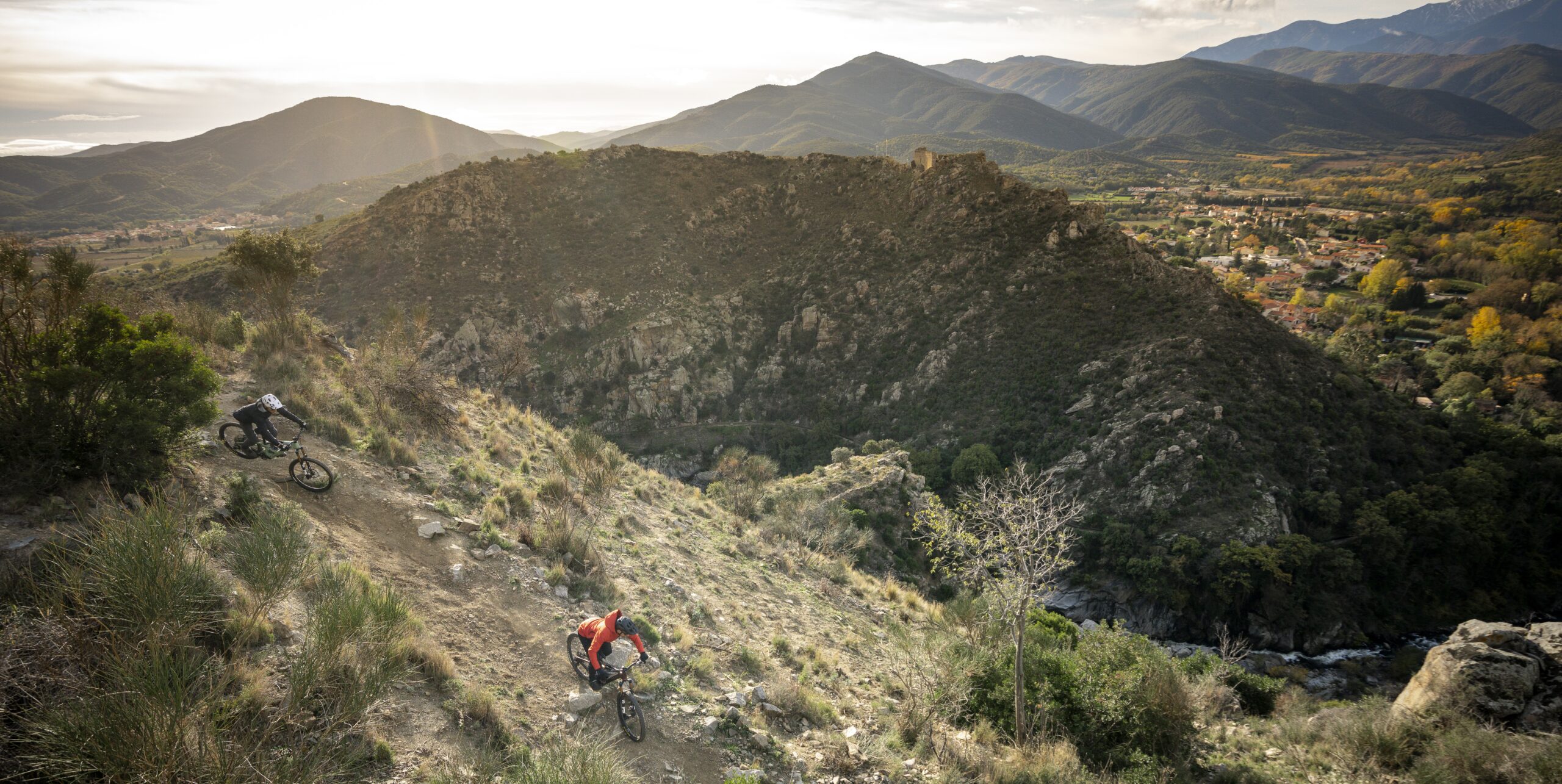
Between sea and mountains lie villages shaped by forces far greater than time. Ille-sur-Têt, in southern France, is one of them: a place where the land sets the rhythm of life and the landscape finds its own voice.
Here, the horizon opens wide, the terrain demands respect, and silence speaks as much of beauty as it does of absence.
Like so many small communities, this place has felt the pull of departure; not because the land lacked potential, but because its value was gradually forgotten.
Always Present
Yet the land never went away. The mountains remained, the paths endured.
Old routes traced by necessity, memory and movement were still there, quietly holding their shape. Within them lived the possibility of something new—not imposed from the outside, but rediscovered from within. Mountain biking became a way back.
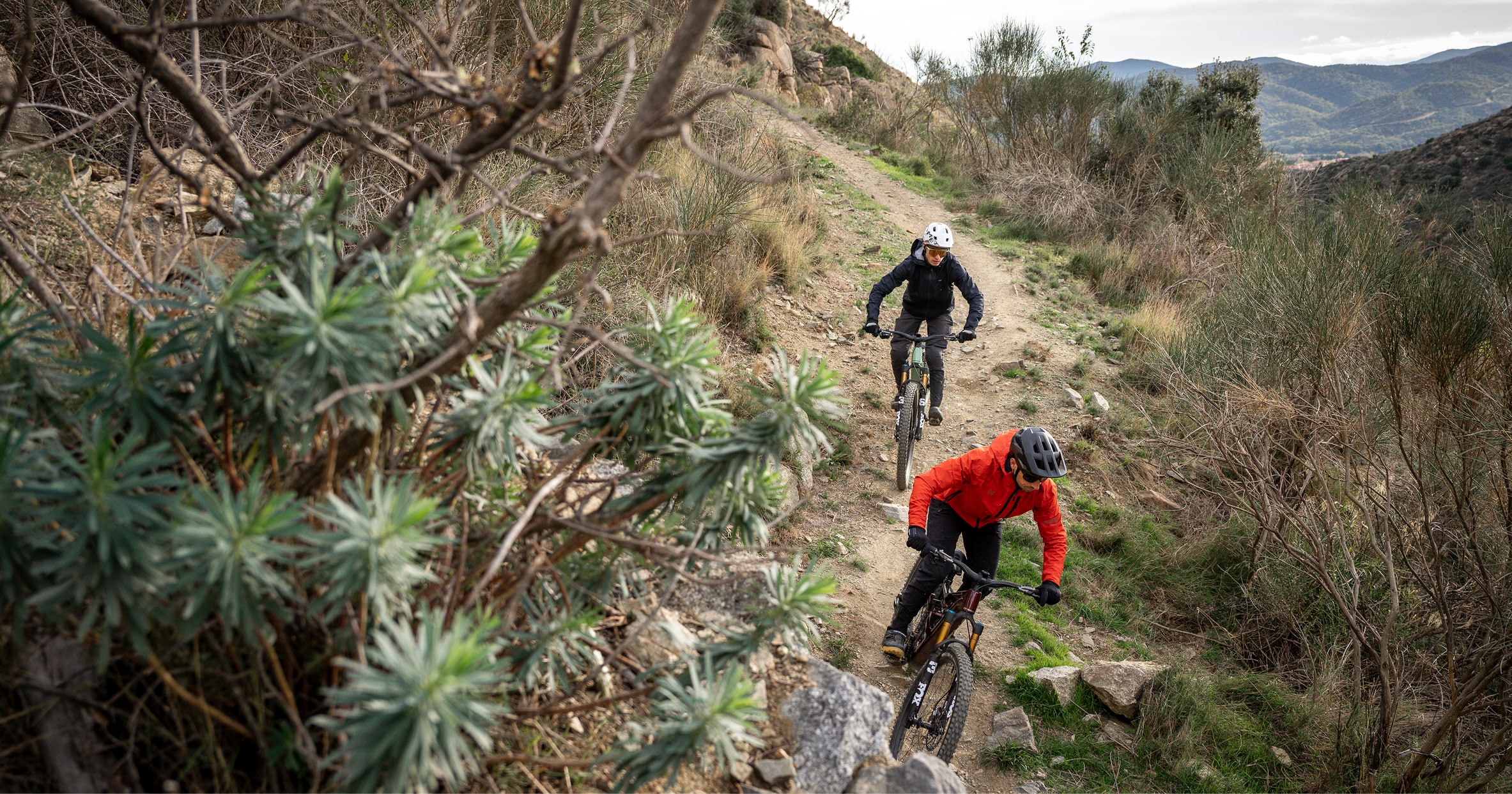
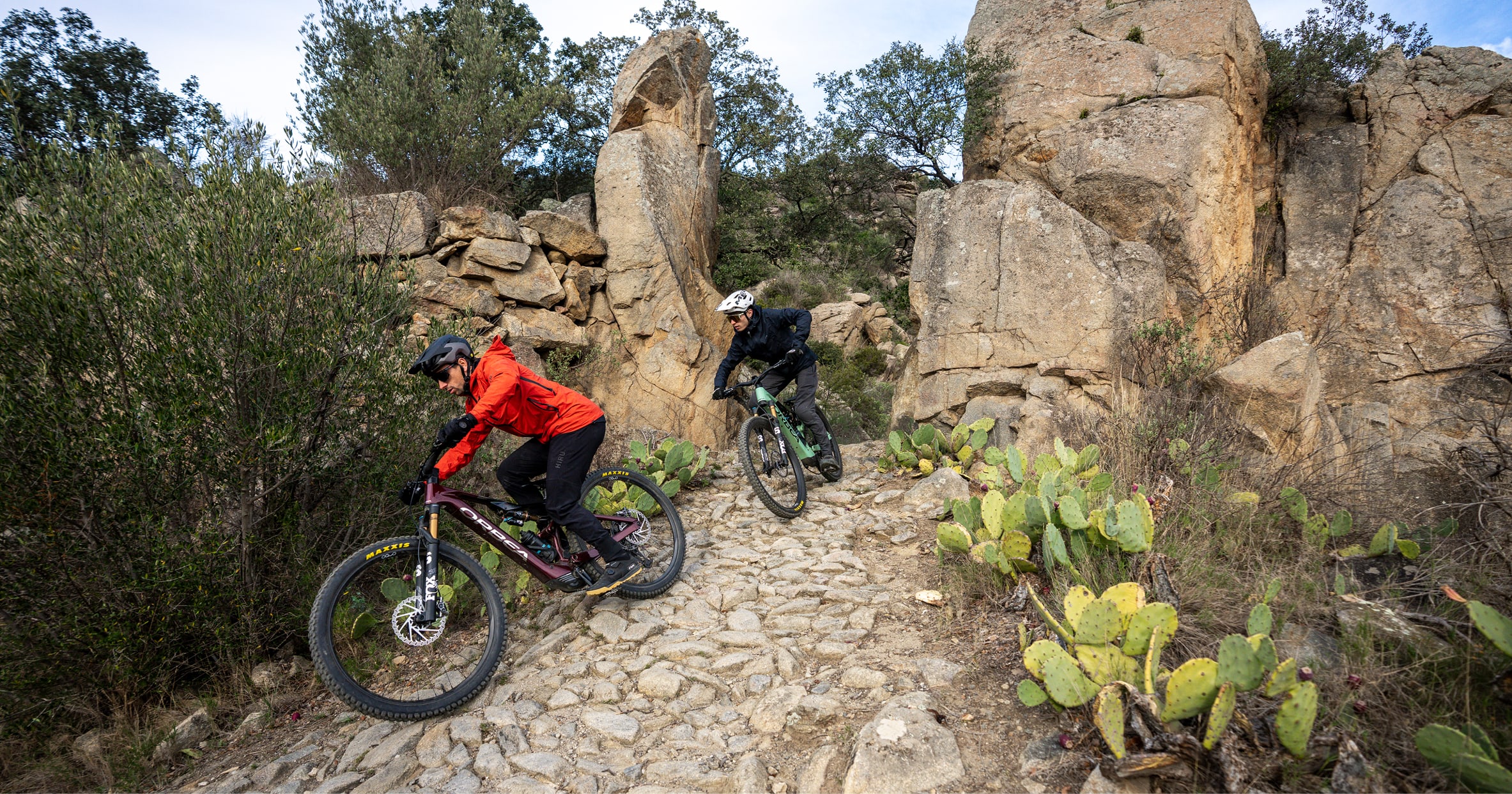
Not as a trend or an escape, but as a conscious way of moving through the landscape, following lines that already existed and accepting what the terrain demanded.
Belonging, not conquering
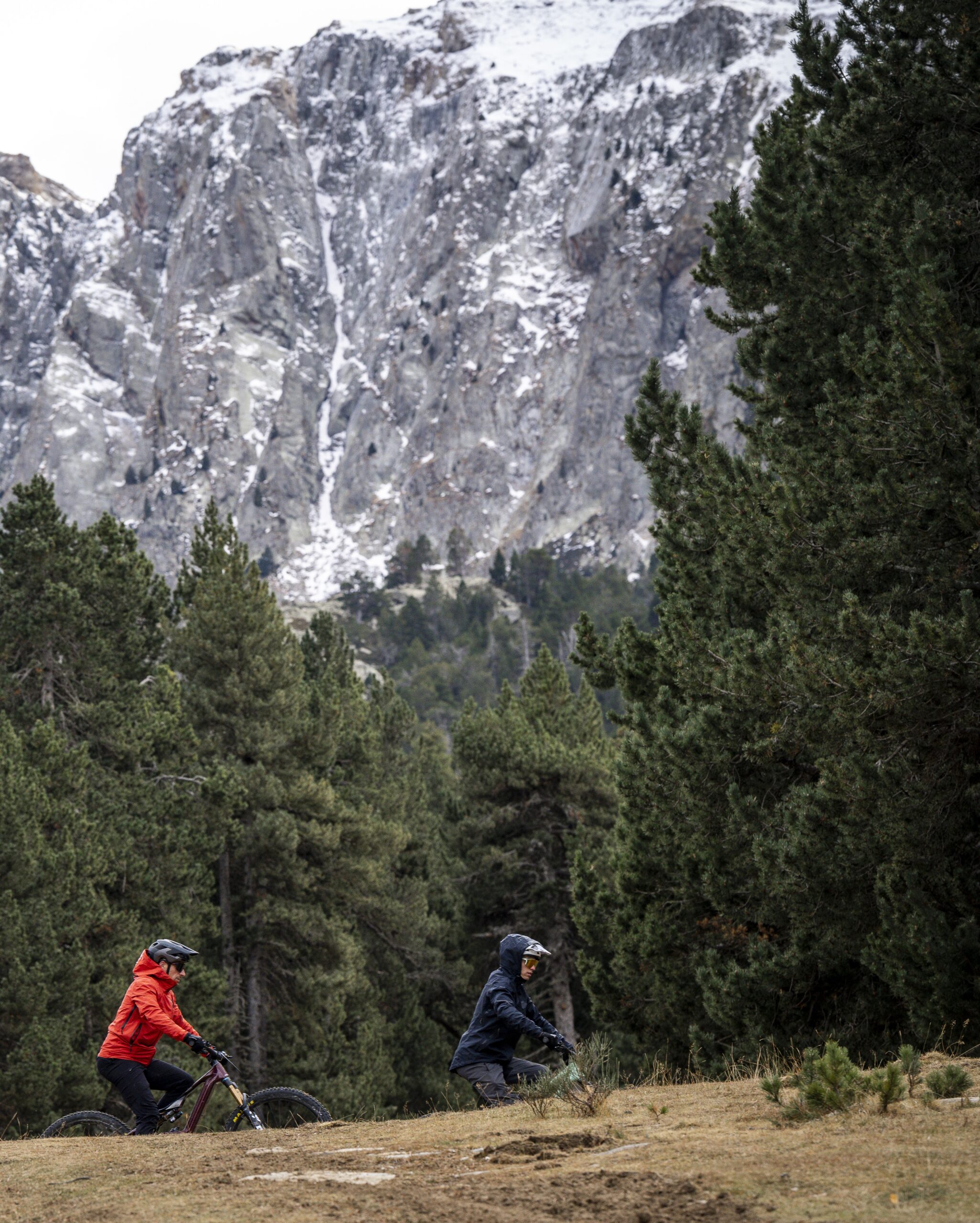
Here, pedalling isn’t about conquering nature, but about belonging to it. Every trail fosters a conversation with the ground beneath the wheels, a reminder that moving forward doesn’t always mean building more. Sometimes it means better listening.
Letting the landscape guide decisions. Allowing its limits to define a sustainable future, grounded in respect and balance.
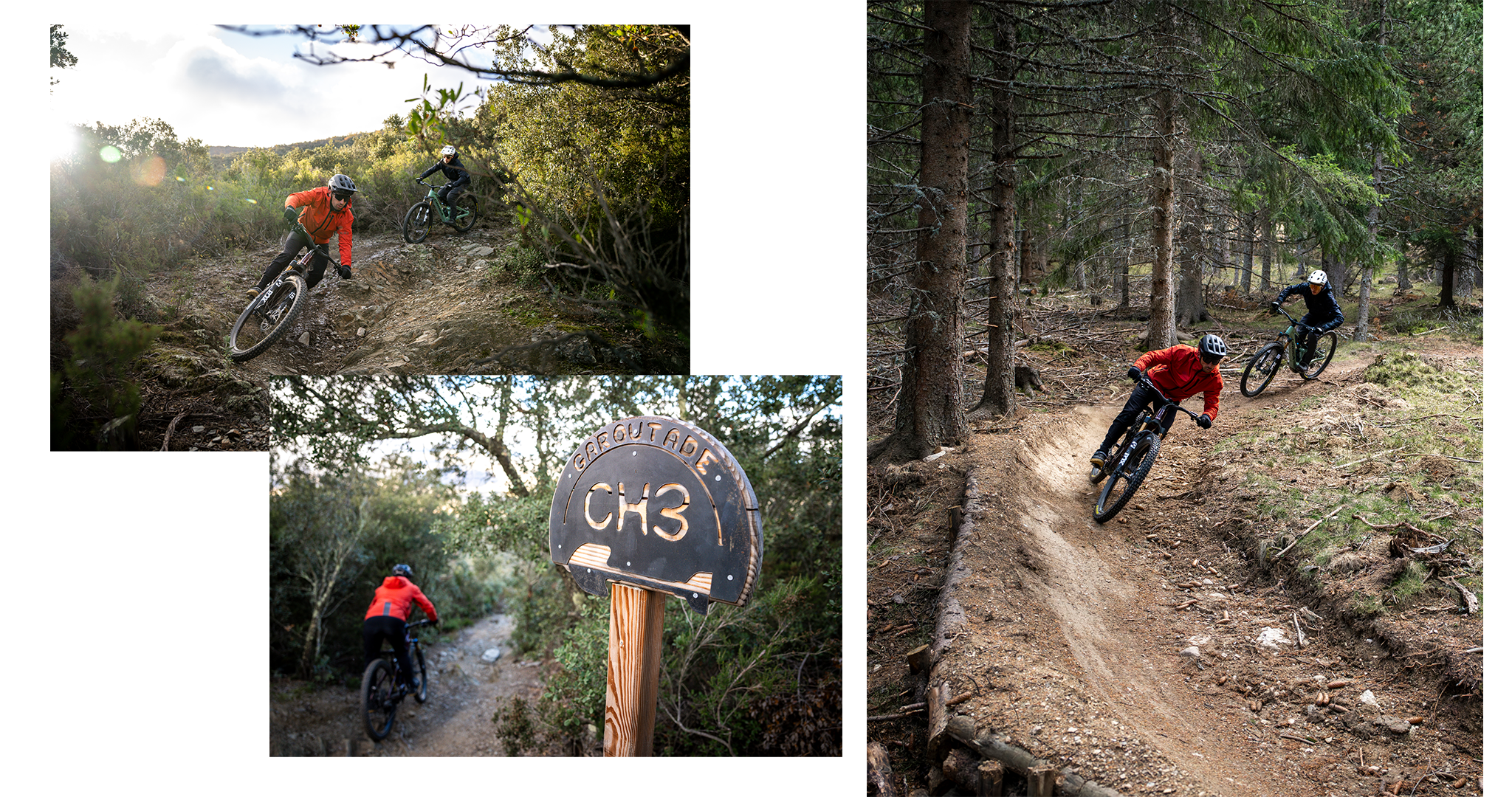
When movement brings life back
As the mountains have once again filled with riders, life has slowly returned to the village.
Movement brought presence; presence brought purpose. Trails became connections. Between places. Between people. Local knowledge regained its value, care for the environment became collective, and the village began to imagine itself anew.
Mountain biking was never the final goal. It became the means: a way to reactivate what already existed without losing identity, to create opportunities without leaving anything behind.
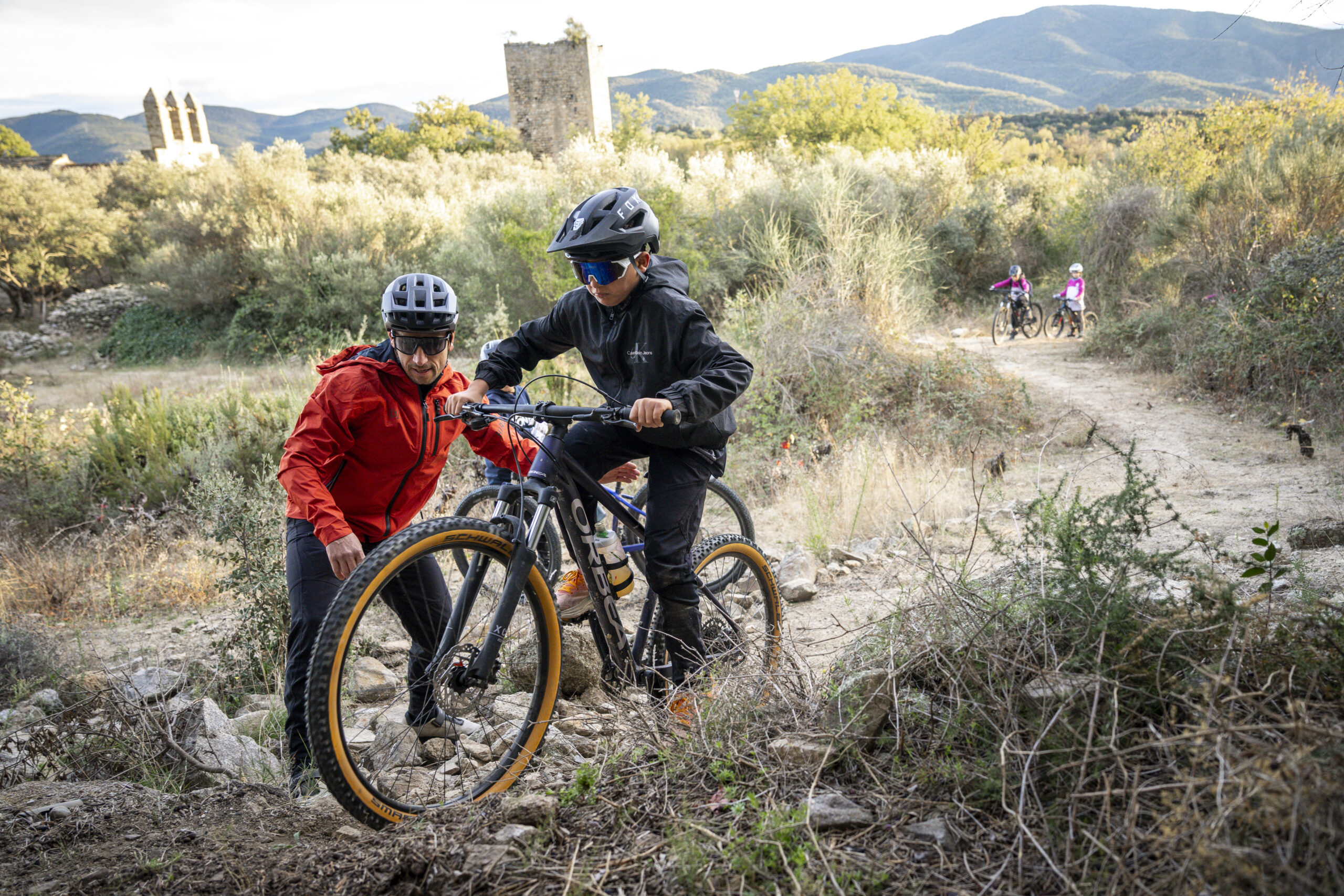
The bike as part of the environment
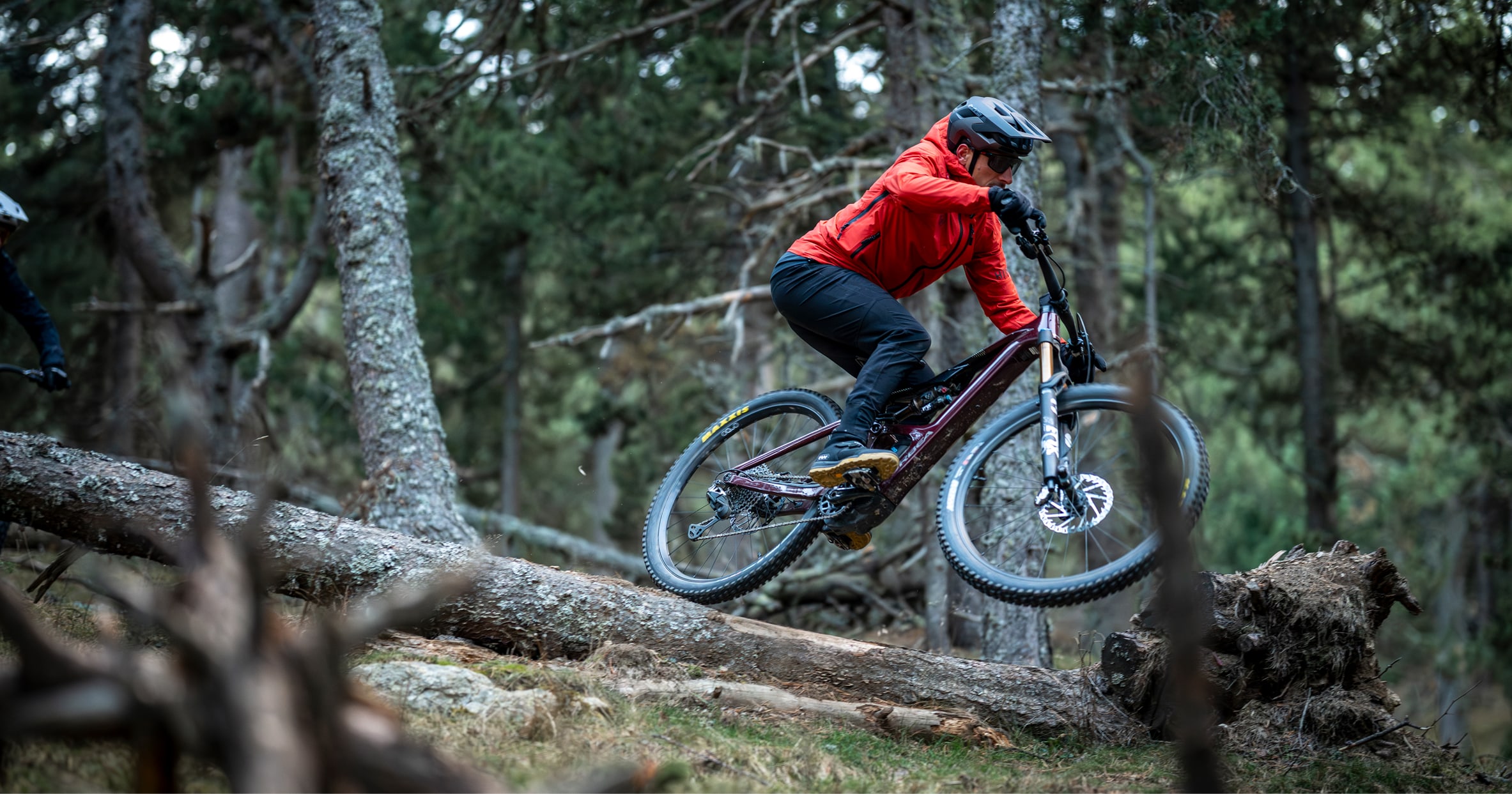
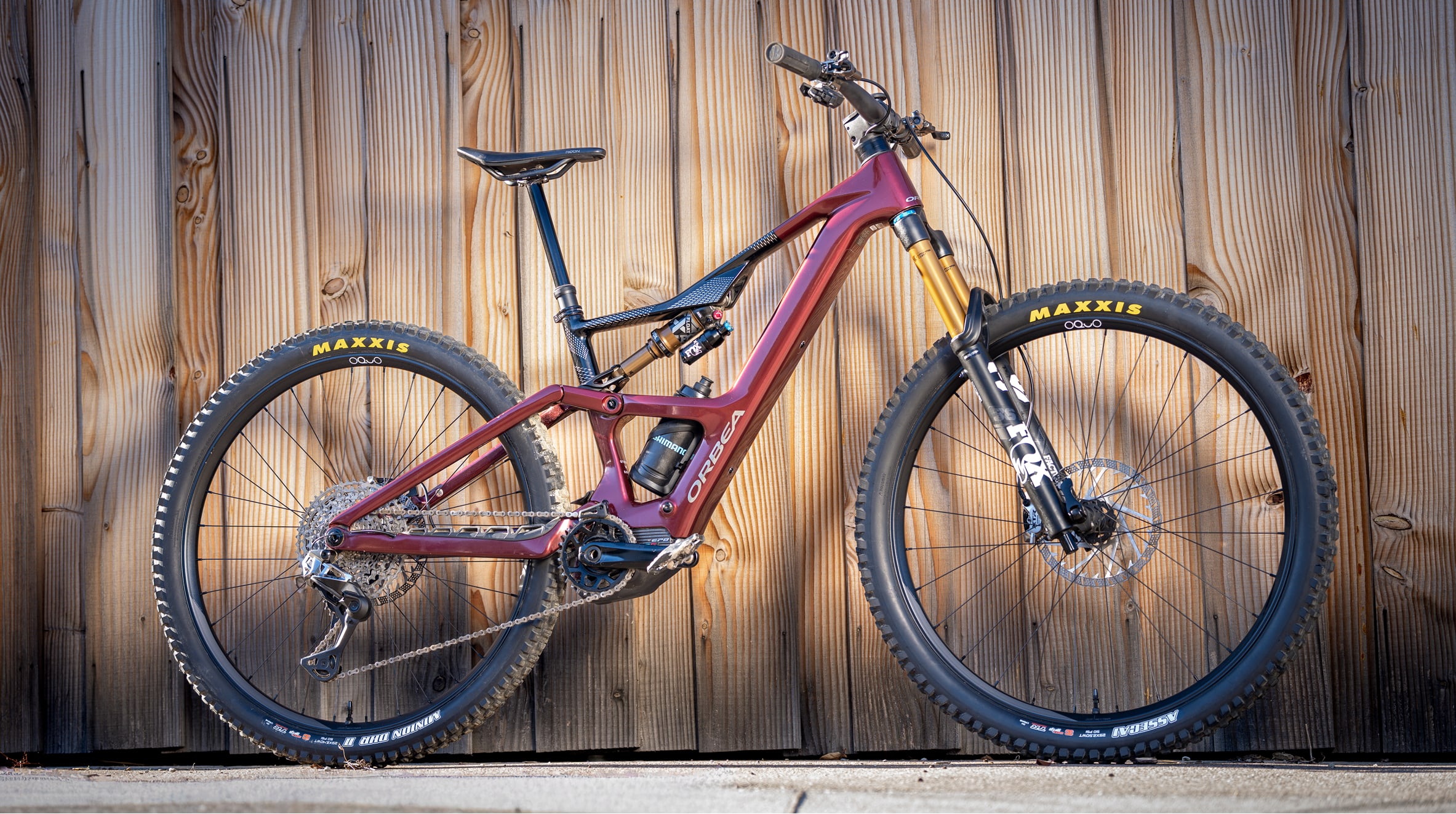
For exploring this kind of terrain, bike choice matters. Orbea Rise LT feels right at home on these trails because it follows the same philosophy: working with the rider to deliver a natural, connected riding experience.
Its combination of light weight, balanced assistance and agile handling makes it easy to find flow, read the trail and stay fully engaged with the terrain.
Rise
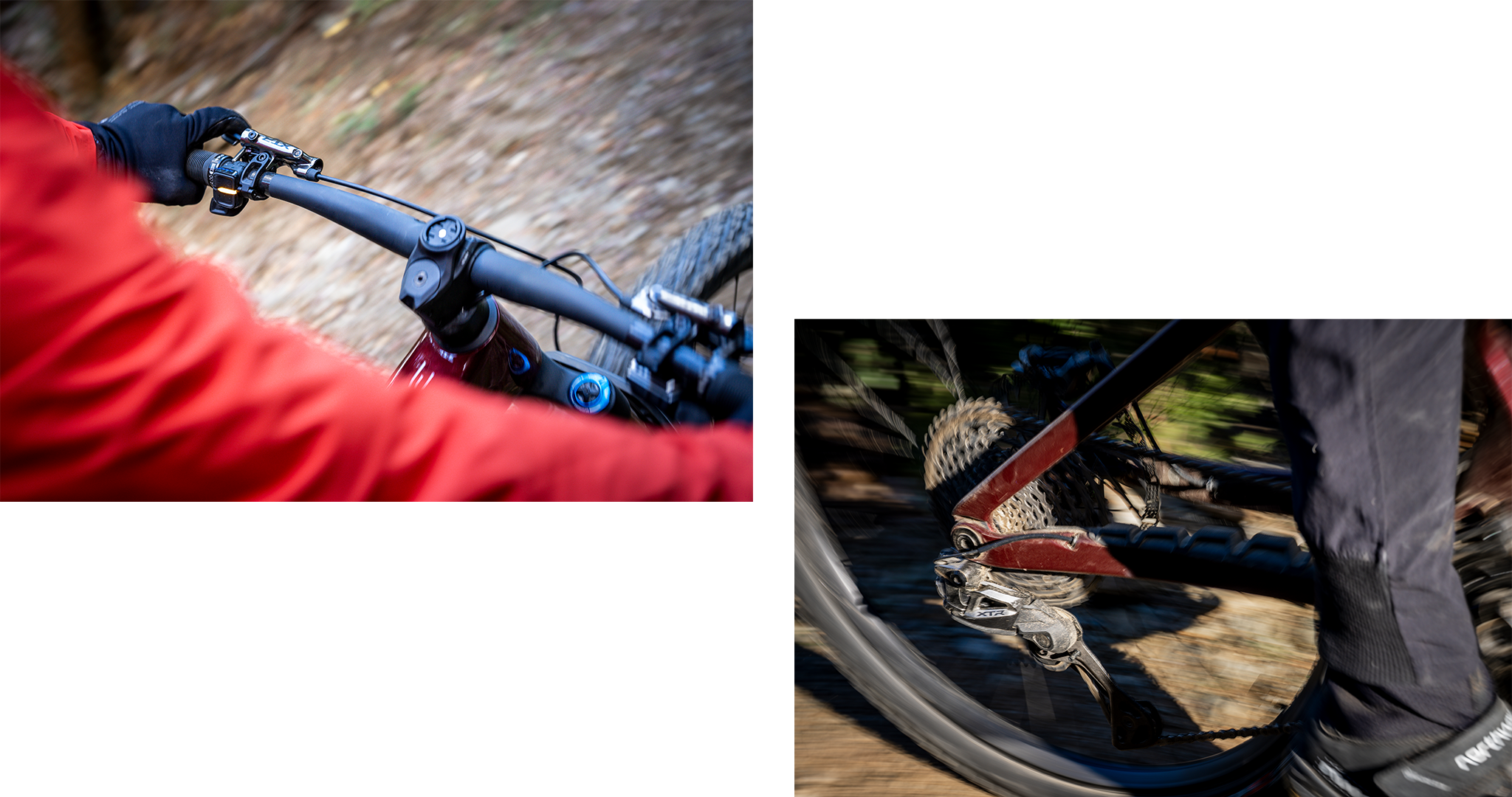
Rise’s RS Control system strengthens the rider’s connection with the trail by offering instinctive controls and minimal distractions. Motor assistance is intuitive and ergonomic, enhanced by smart functions like Superboost, which adds an extra layer of support for short, technical sections where maintaining momentum matters most.
The MC10-RS smart dropper further simplifies interaction with the bike, integrating seatpost control seamlessly into the system. And, best of all, all essential motor information is presented through a subtle, easy-to-read display, keeping the rider informed without ever pulling attention away from the ride itself.
The land as a guide
At Orbea, we believe the strongest stories are born from place. From understanding where we ride, why we ride, and for whom. Because bikes don’t just move us through the landscape, they connect us to it.
Some places are defined by ambition. Others, by the land. And when we allow the land to guide the way, we don’t just discover new trails, we find a future worth riding toward.
TRAILHEADS
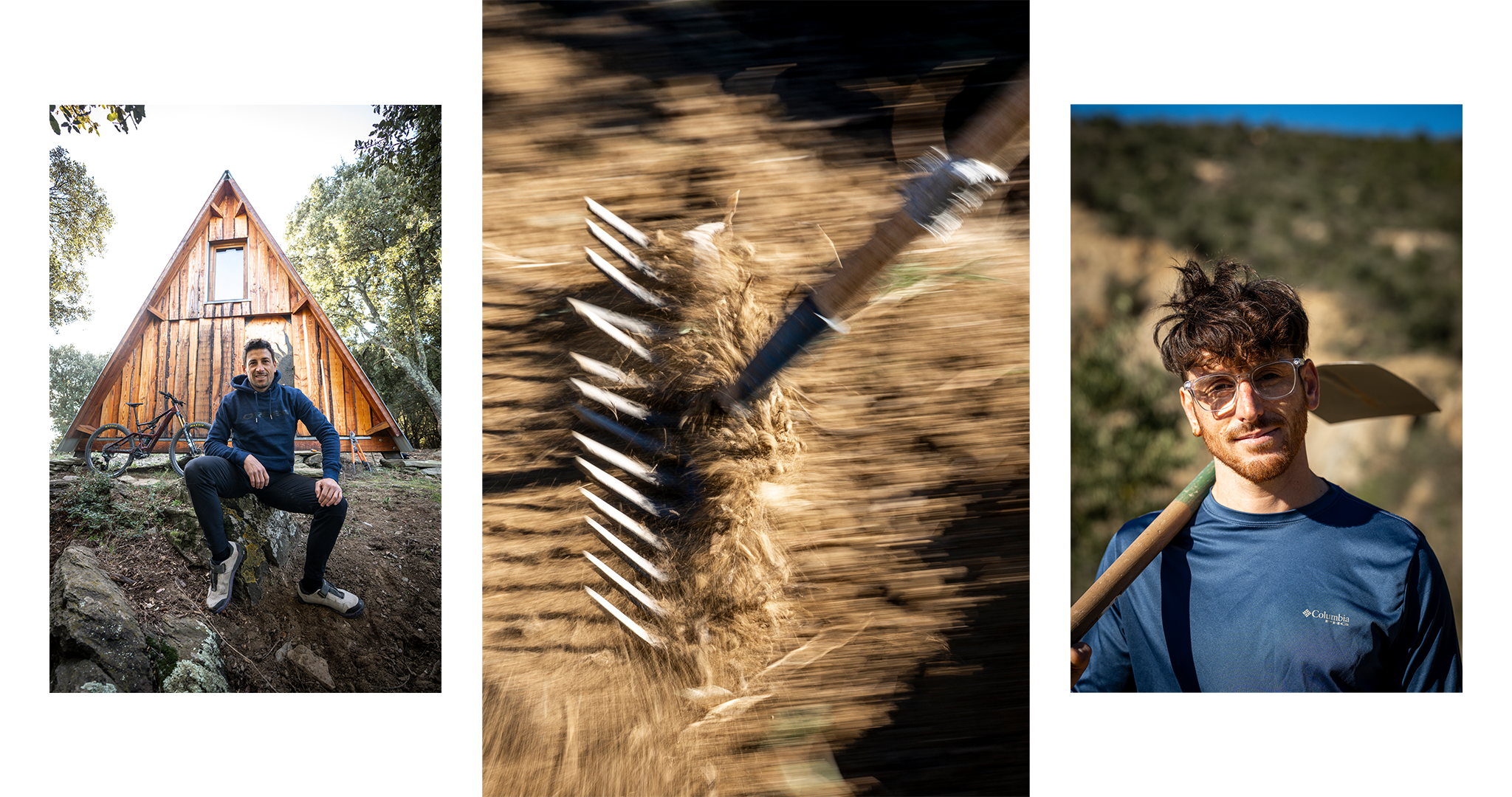
Damien Oton
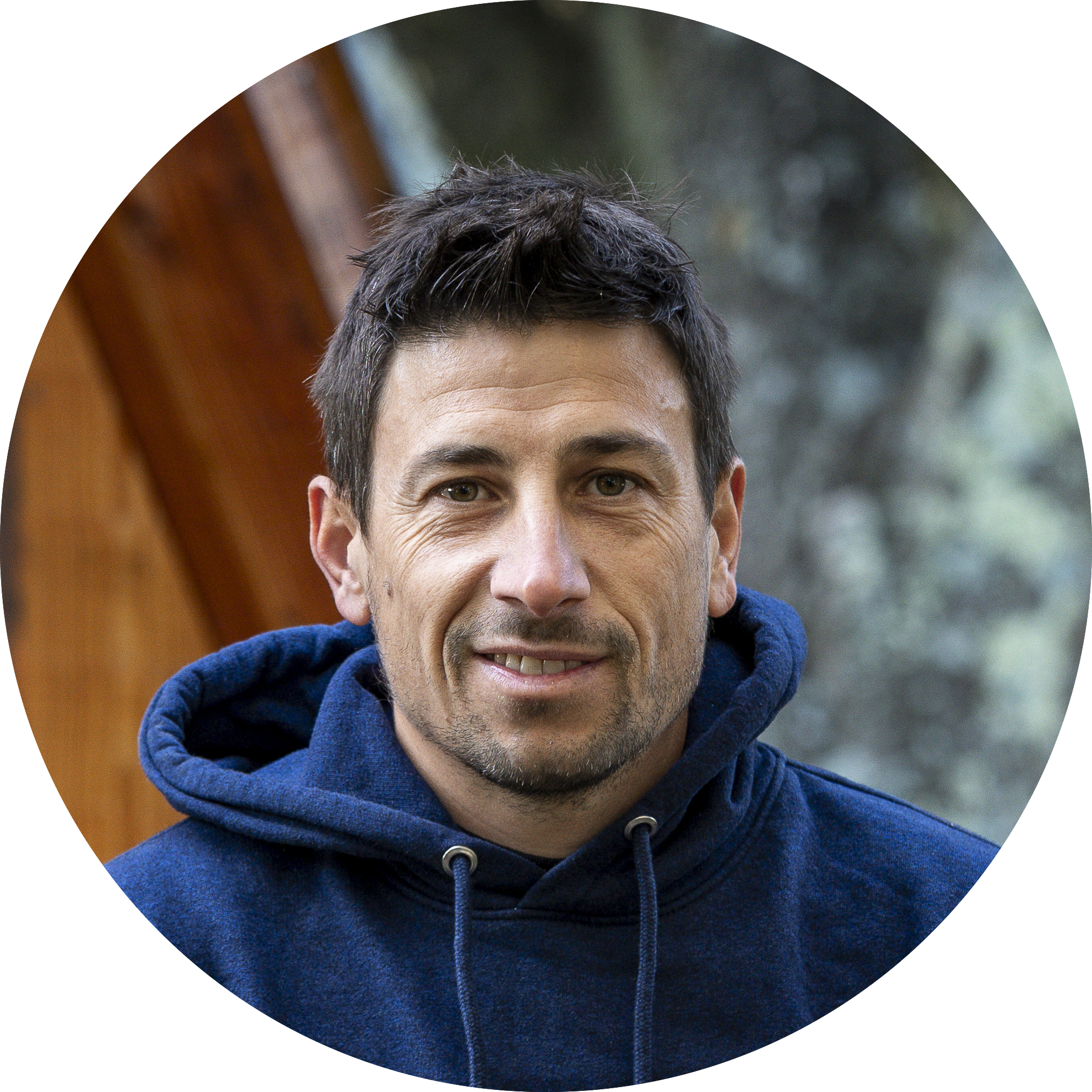
| Former professional mountain bike racer, with a career defined by performance, technique and a deep connection to the terrain. |
| That experience translates into a different way of riding: more conscious, more closely tied to the environment and guided by respect for the land that shaped him. |
Julien Boix
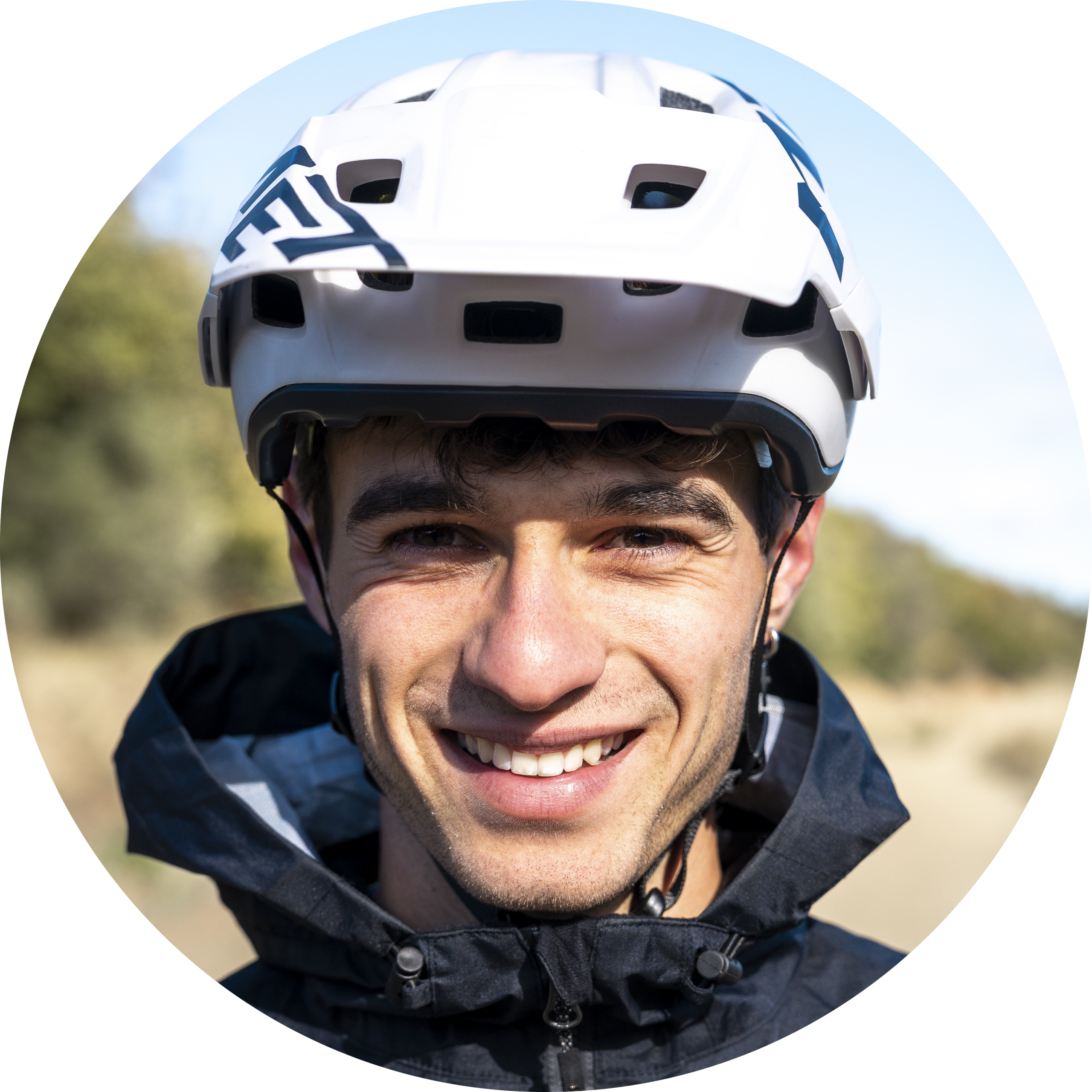
| He represents a new generation of mountain bike riders, with a fresh perspective and a contemporary way of understanding performance and movement on the bike. |
| From this younger viewpoint, the terrain is not just a place to compete, but a space to explore, learn and reinterpret the relationship between rider, bike and landscape. |