16 July, 2025
Mayo, Zubeldia and Orbea Orca, again at Mont Ventoux
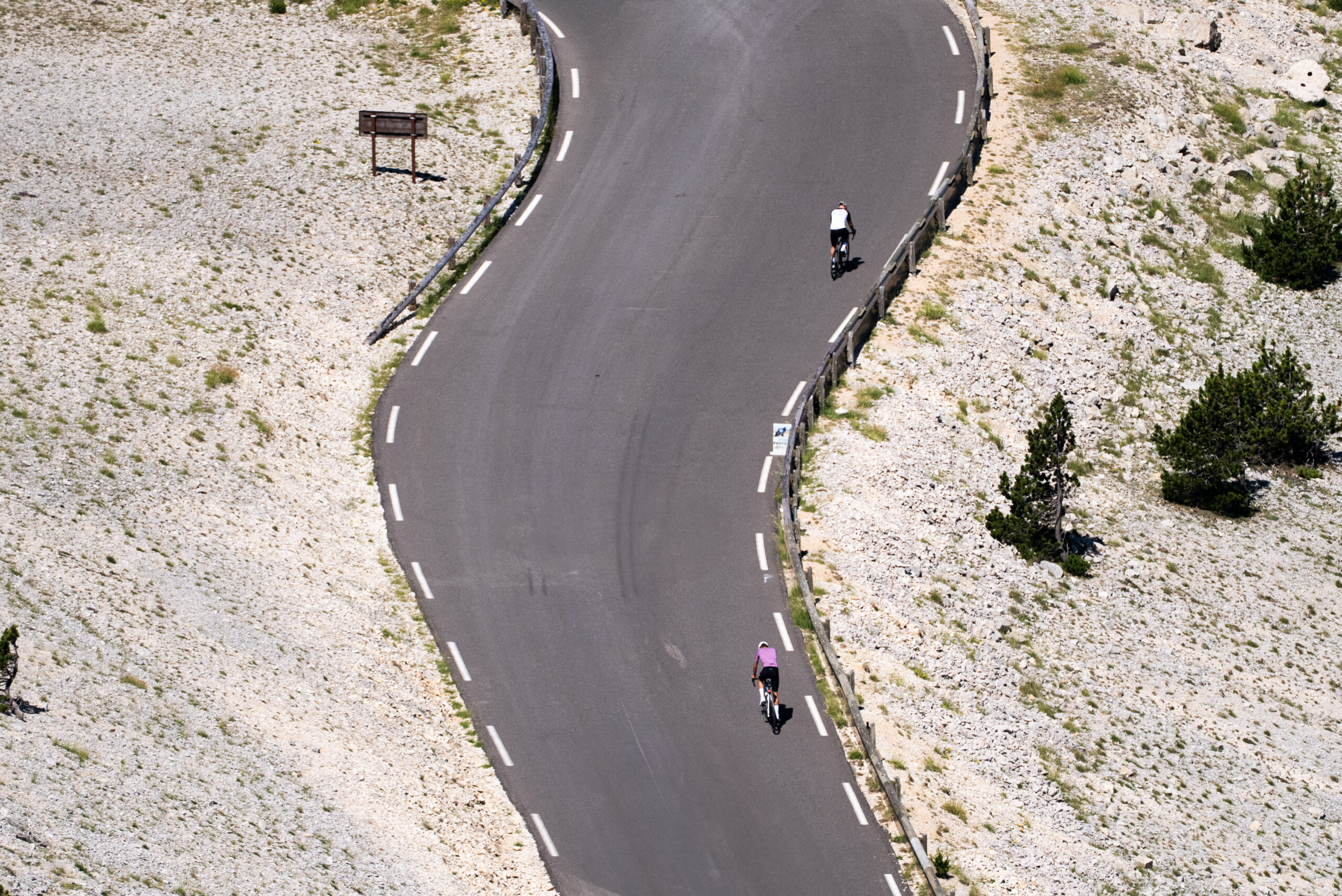
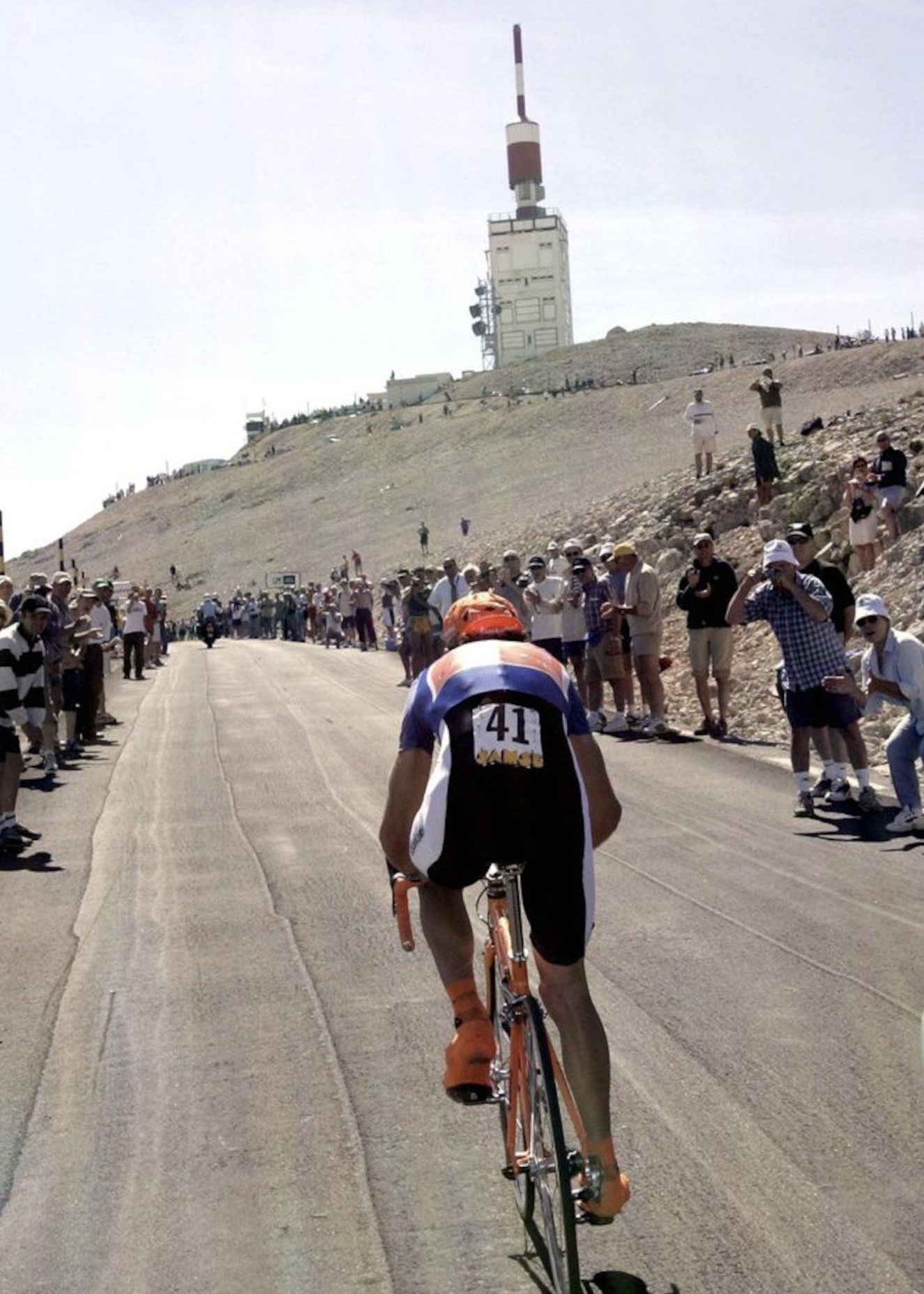
In June 2004, Iban Mayo climbed the imposing Mont Ventoux. Stark and wild, like the wind that punishes its barren slopes. Young Iban reached the summit as if the mountain had been waiting for him.
In that edition of the Critérium du Dauphiné Libéré, Mayo delivered one of the most brilliant performances of his career. He climbed alone on a time trial on Ventoux, doing better than Lance Armstrong and other favorites, and set a benchmark time—55′ 51″—that still stands to this day. No one has yet been able to beat it.
“That was a beautiful day, it was a hat trick: victory, record and leader. That climb left a mark on me.”
"He made a stratospheric ascent. Everyone remembers it. To this day, that record still stands, and it is there to be broken." This is how Haimar Zubeldia proudly speaks of his friend and former teammate.
But for Haimar, Mont Ventoux is no ordinary climb either. This legendary mountain is part of some of the most memorable moments of his career. In the 2000 edition of the Dauphiné Libéré, while still a young developing rider, he took the overall lead after a solid ride on the stage that finished at the summit. He would go on to finish second in the general classification, between the then-dominant Tyler Hamilton and Lance Armstrong.
Years later, Haimar would admit: “Of all the climbs in the Tour, I’d choose the Ventoux.”
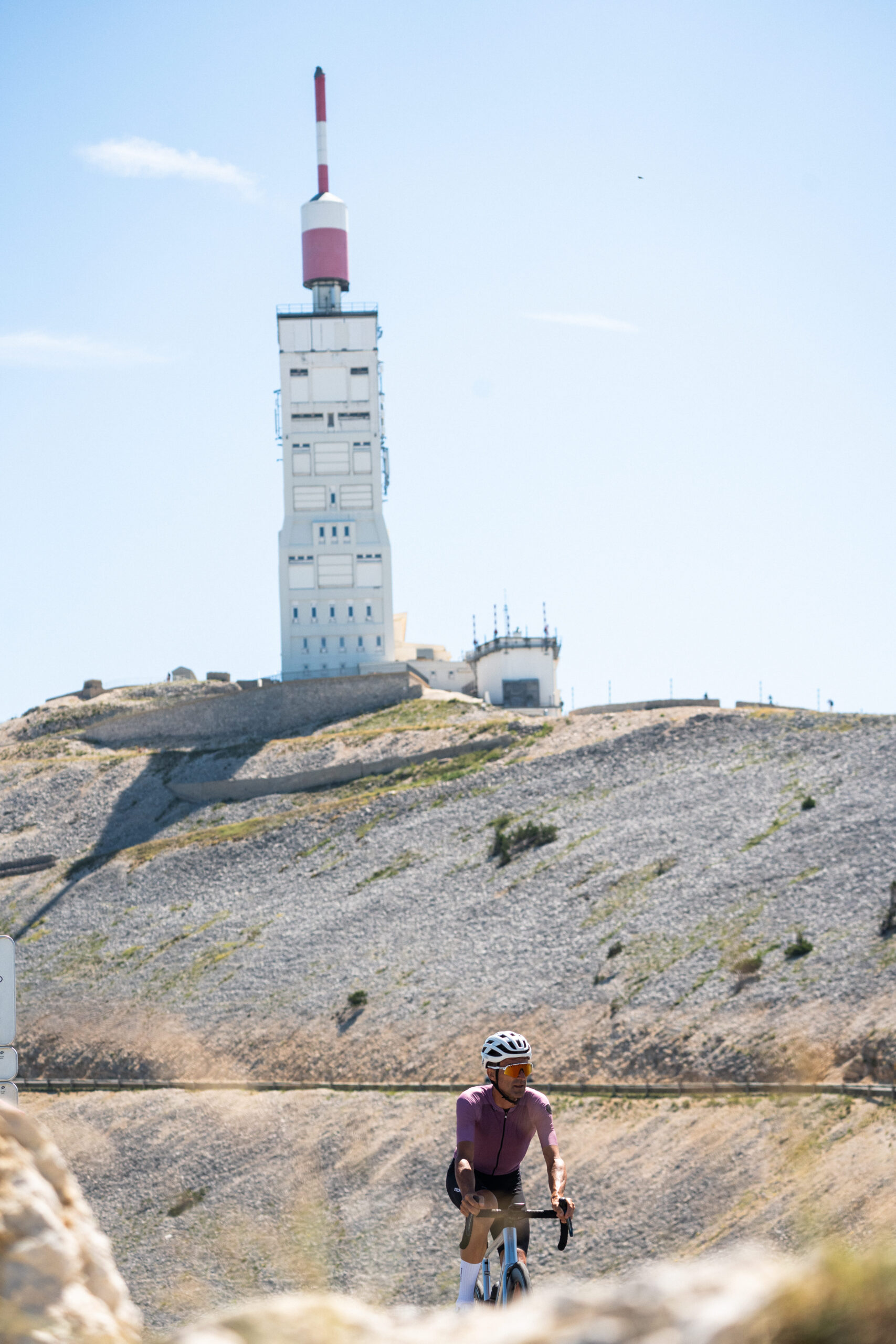

Twenty years after two of the most iconic ascents in recent professional cycling history, Iban Mayo and Haimar Zubeldia have returned to one of the defining climbs of their lives.
They’ve done so riding their latest Orbea Orca, very different from the bikes they rode when competing with Euskaltel-Euskadi in the early 2000s. Back then, cycling was still in the midst of a technological transition and they were still riding aluminum frames. Those Orbea Columbus Starship were already built with a carbon fork, but still had mechanical shifting, lower-profile wheels, and training techniques hadn’t yet entered the era of power meters and GPS tracking.
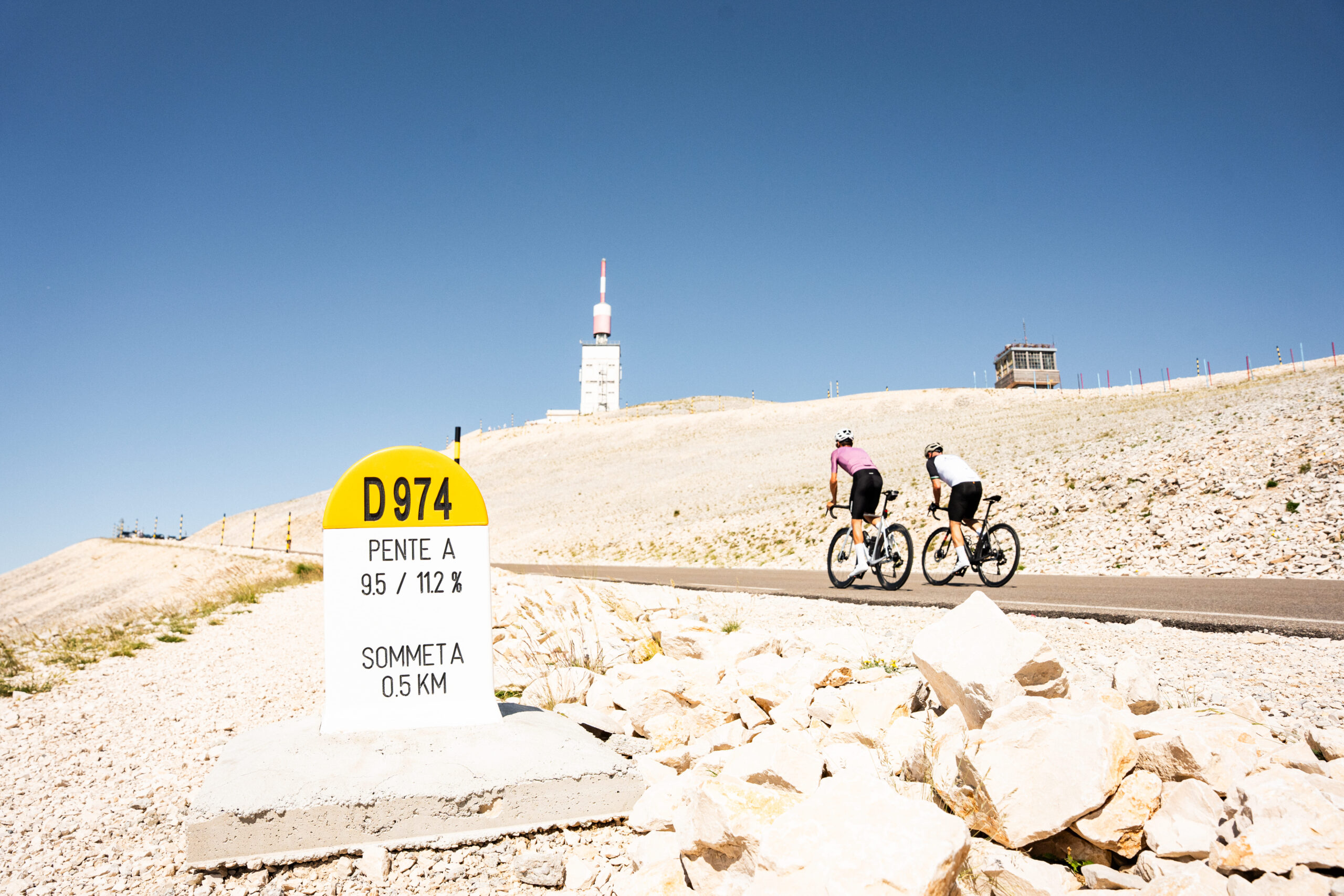
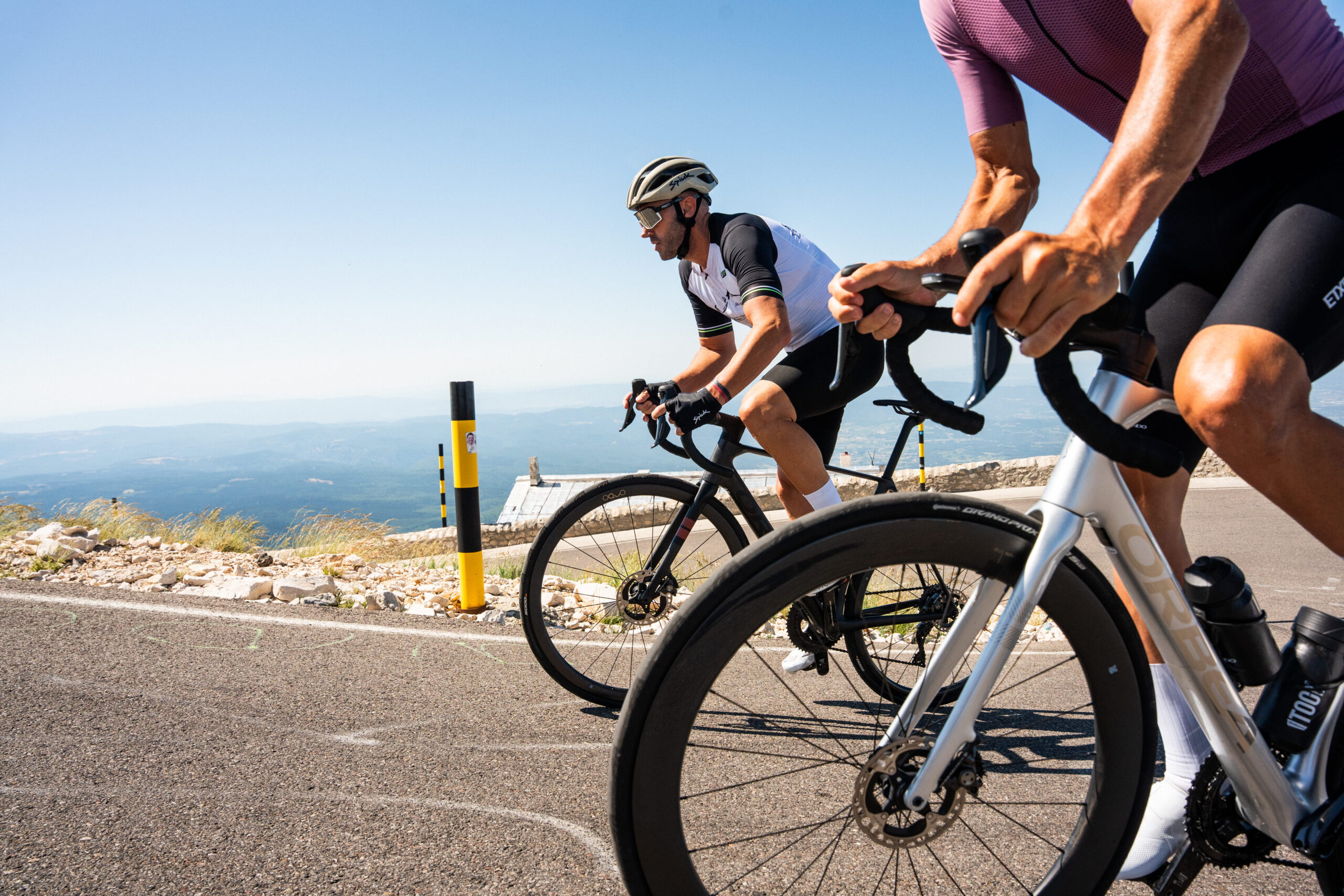
Both retired from the professional peloton some years ago, Mayo and Zubeldia now return to Ventoux with a different perspective, more technical than nostalgic.
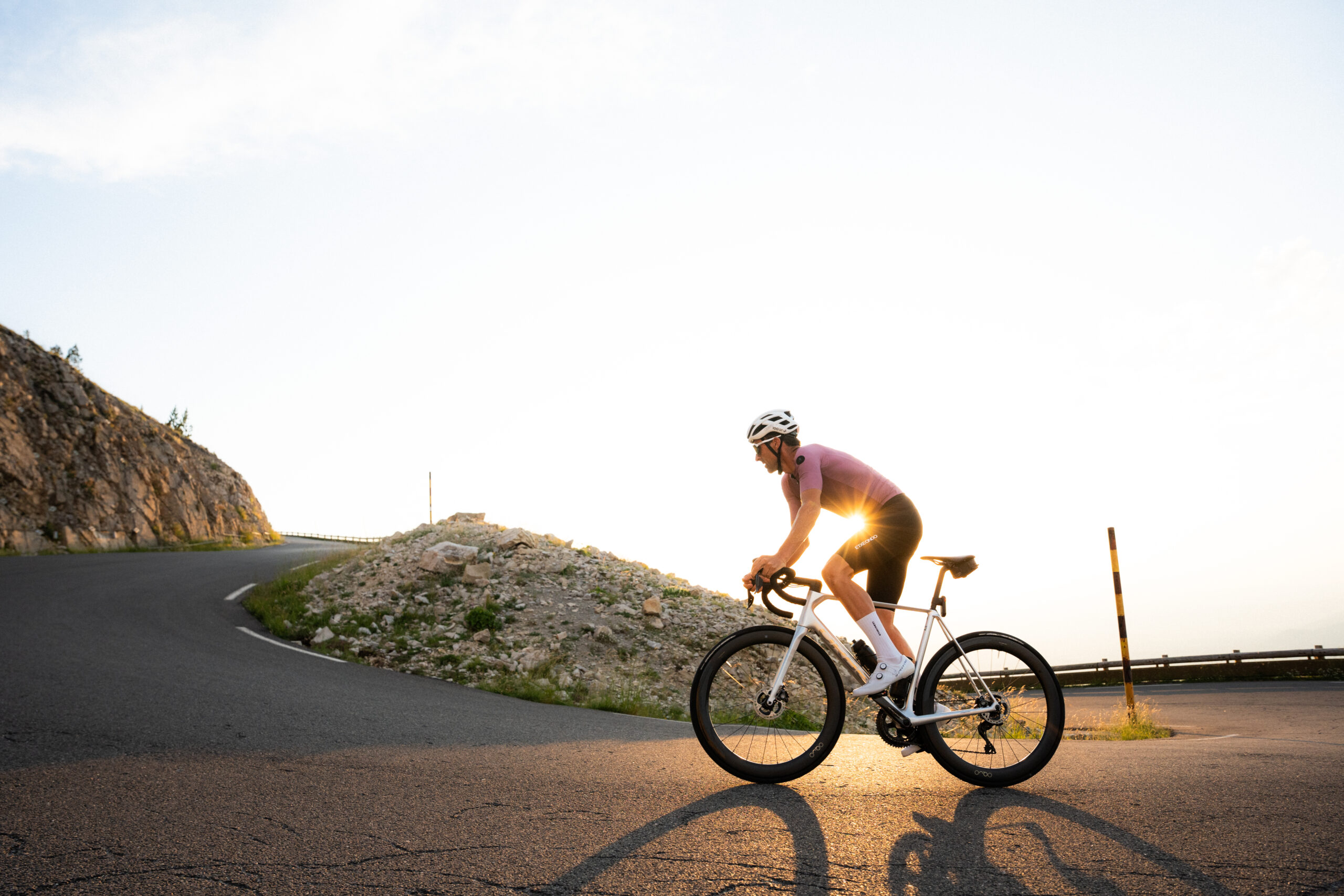
The difference between those early-2000s bikes and today’s machines is striking. Instant acceleration, vibration absorption, and reactive handling: the Orca they used on this new climb represents a radical leap forward. Today’s Orca features disc brakes, fully integrated cables, and complete compatibility with electronic groupsets.
In contrast, the bikes of that famed Euskaltel were equipped with mechanical drivetrains, rim brakes, and low-profile wheels; competitive for their time, but far surpassed by today’s standards of weight, stiffness and efficiency.
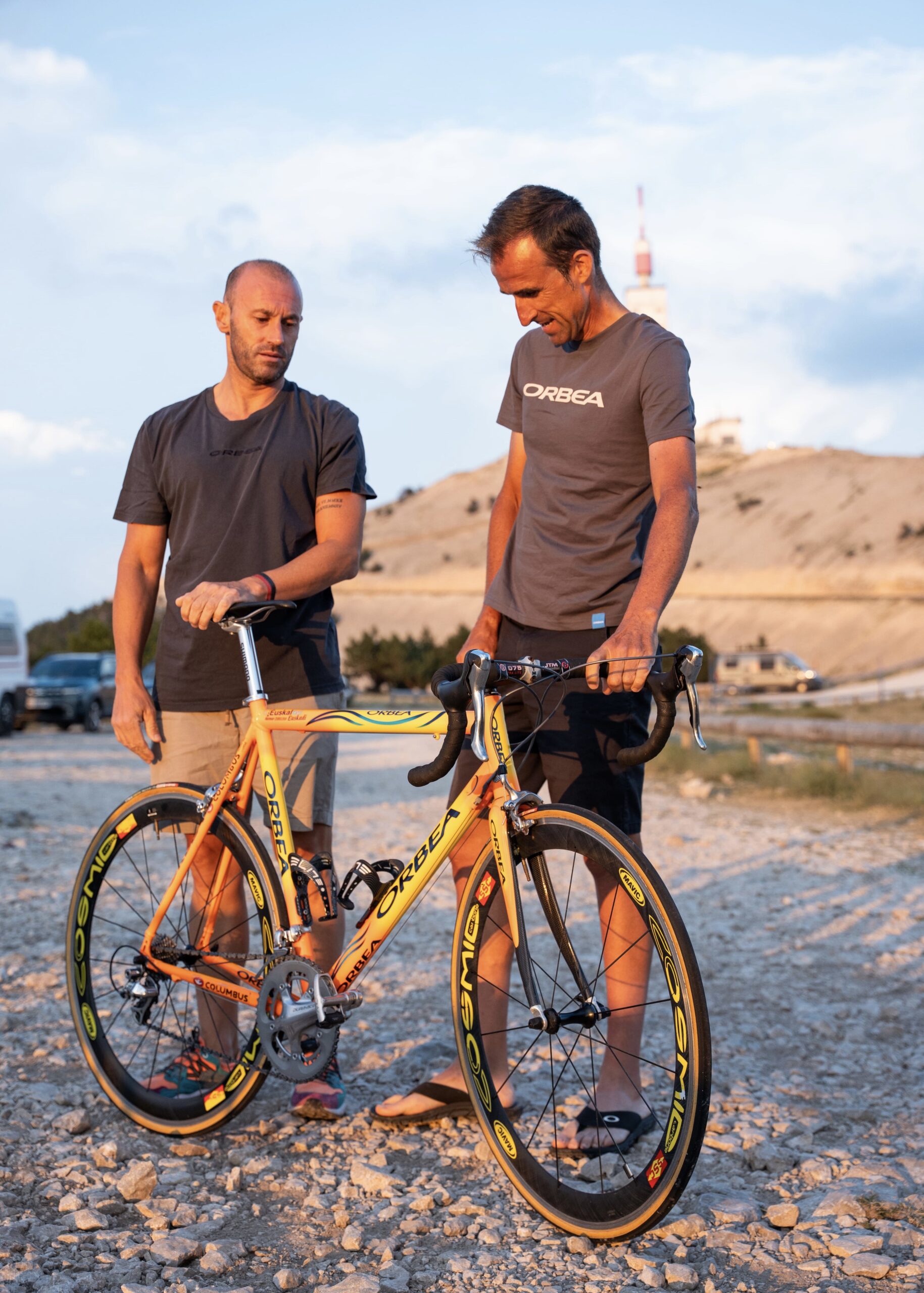
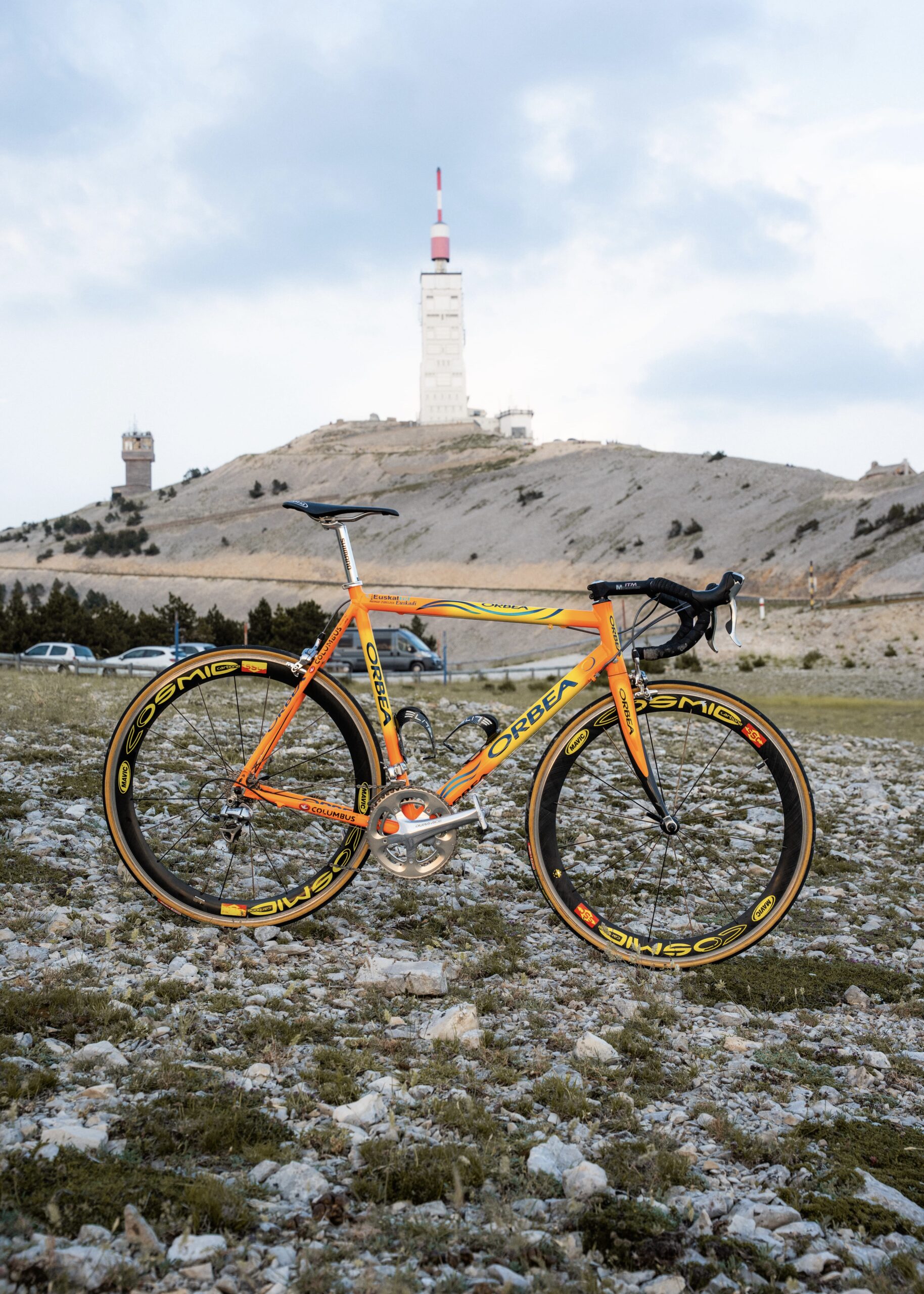
“It’s surprising how Orbea, back in the day, also knew how to adapt to the times and the materials available, and managed to build such a lightweight bike.”
“21 years later, [we] have returned to Mont Ventoux with a bike that has nothing to do with the one from back then, but that still remains among the world’s elite.”
Iban and Haimar speak about this technological leap with a mix of fascination and coolness. Today’s bike is better in every way: more efficient, more comfortable, faster. But that doesn’t make the climb any easier. The effort still comes from the legs, not the carbon.
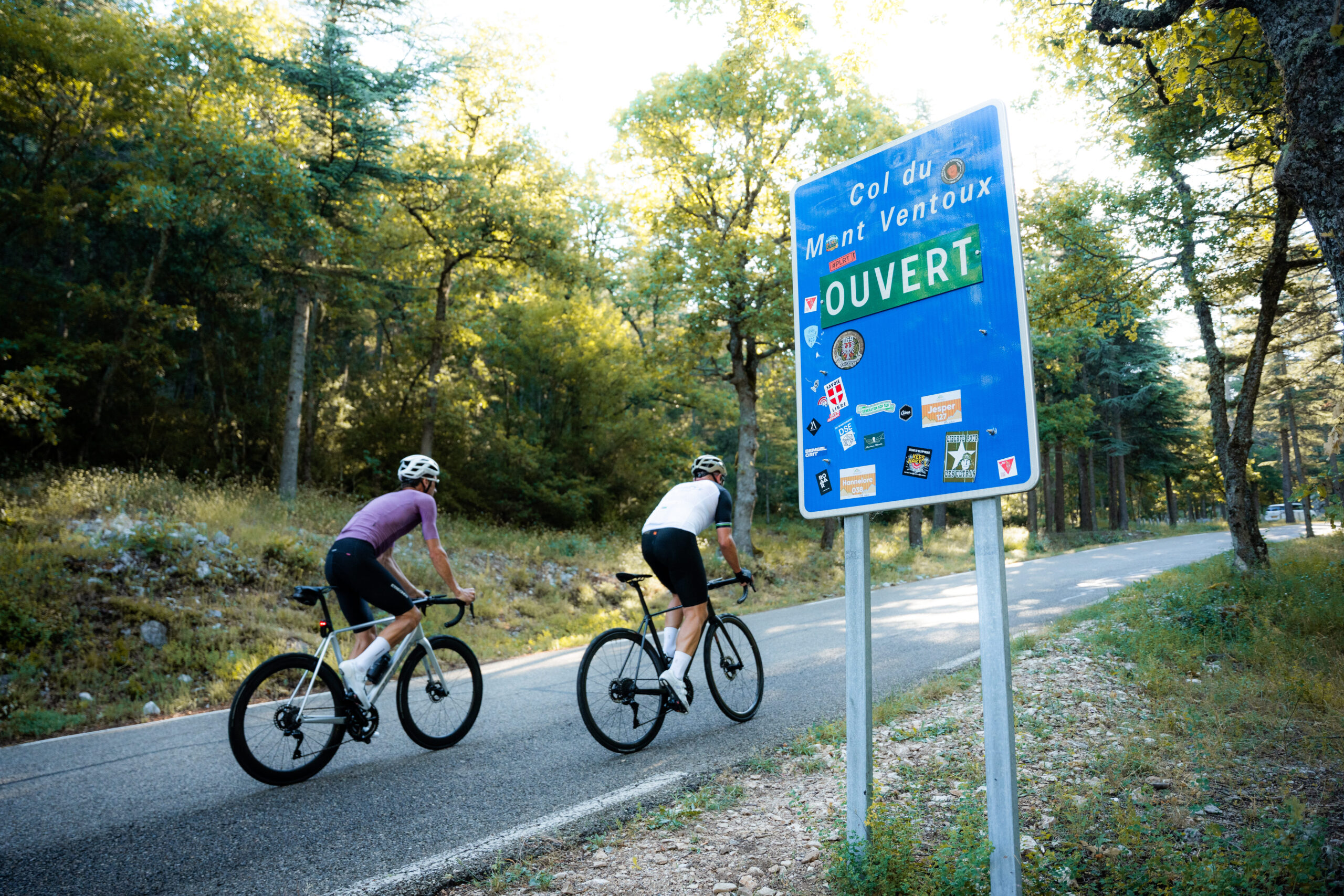
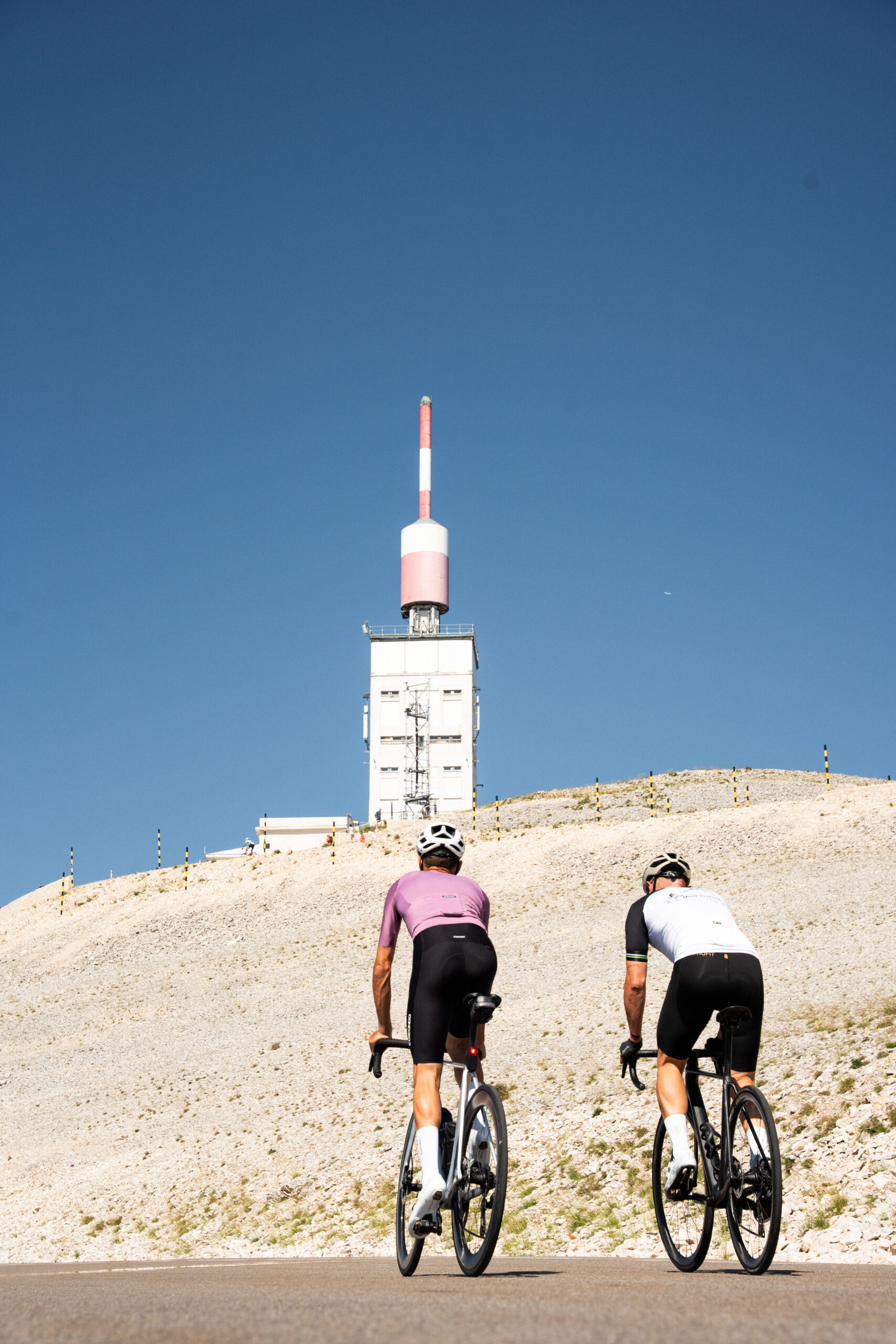
Seeing Mayo and Zubeldia climb once again, no race number, no team car behind them, but on bikes from the same brand as back then, offers a valuable perspective on how the sport and its technology have evolved.
The sound of the pedal under a different body. The way the bike now responds with surgical precision. And how the body now understands suffering differently, not as an enemy, but as an ancient language.
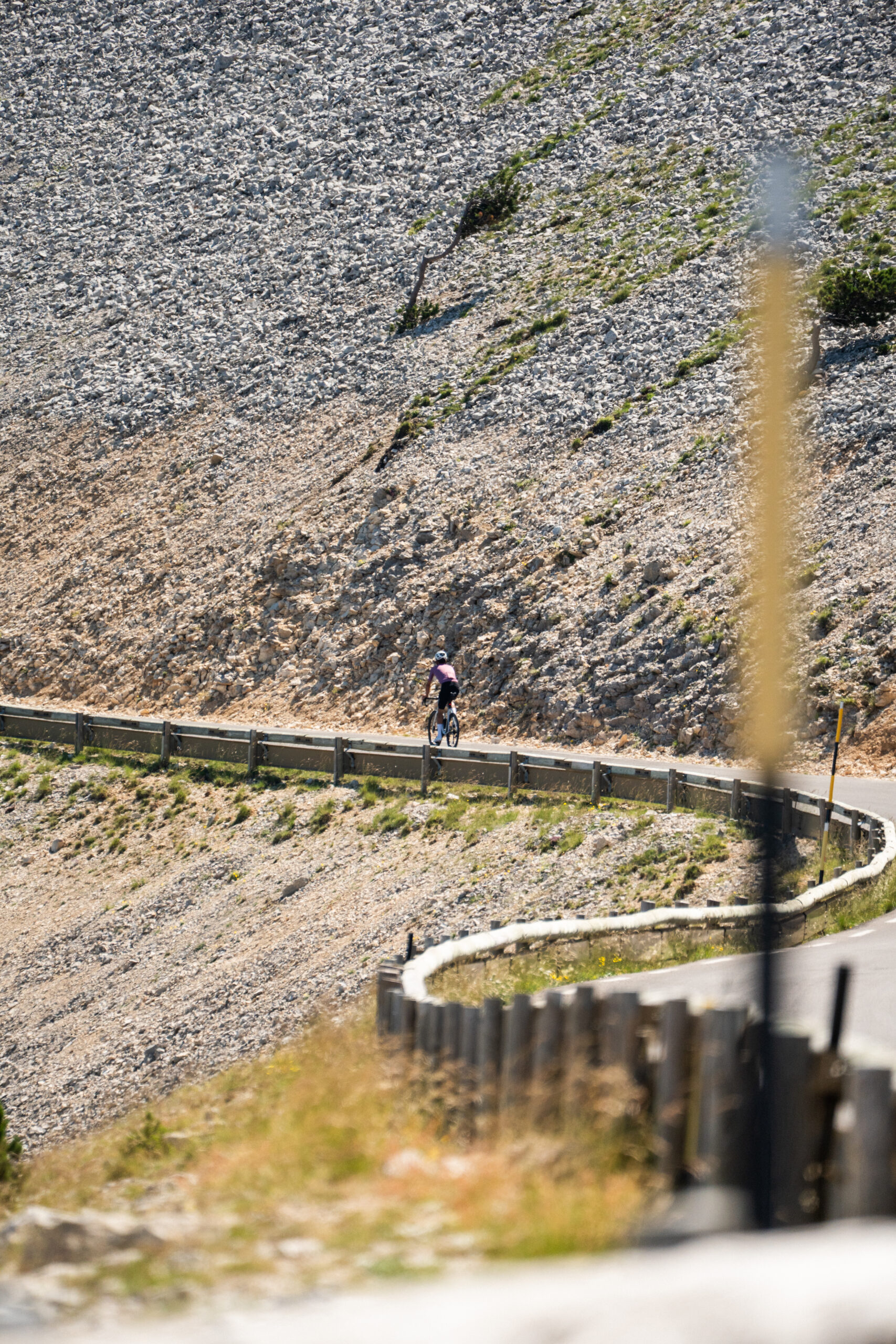
Mont Ventoux is still the same: 21.3 kilometers at 7.5%, from Bédoin to the summit. With its long straight stretches, relentless gradient, and wind-blasted peak, it remains one of Europe’s most demanding climbs. And twenty years later, the memory is still there, unshaken, as a lasting testament to an exceptional story.
The Way to Reach the Summit
Those bikes with which Mayo and Zubeldia made history on Mont Ventoux have little in common with the current ones. The Orca they have just climbed the mountain with again represents a radical evolution. Then and now, Orbea represents the elite in the way to reach the summit.