23 11月, 2022
The Last Flight
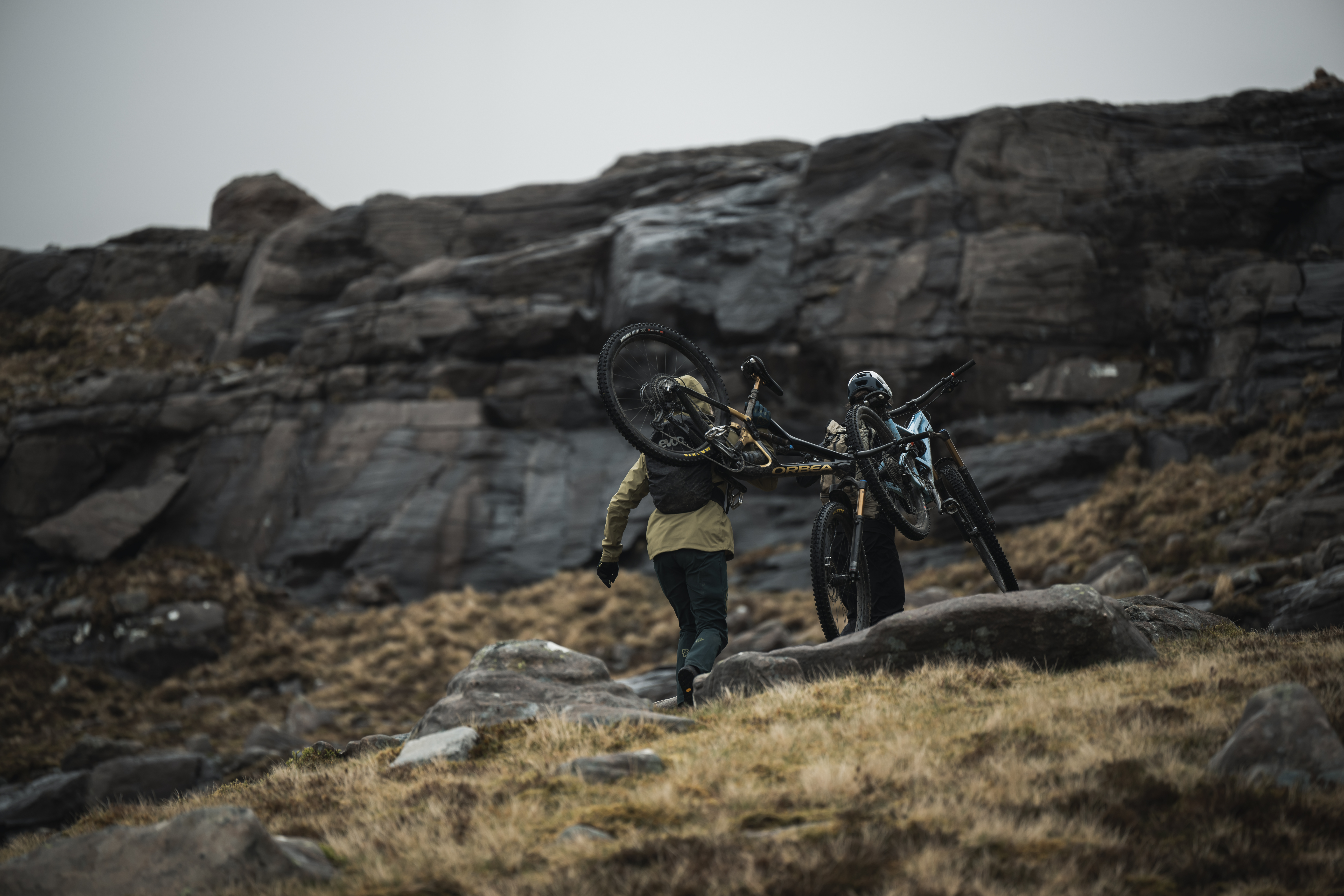
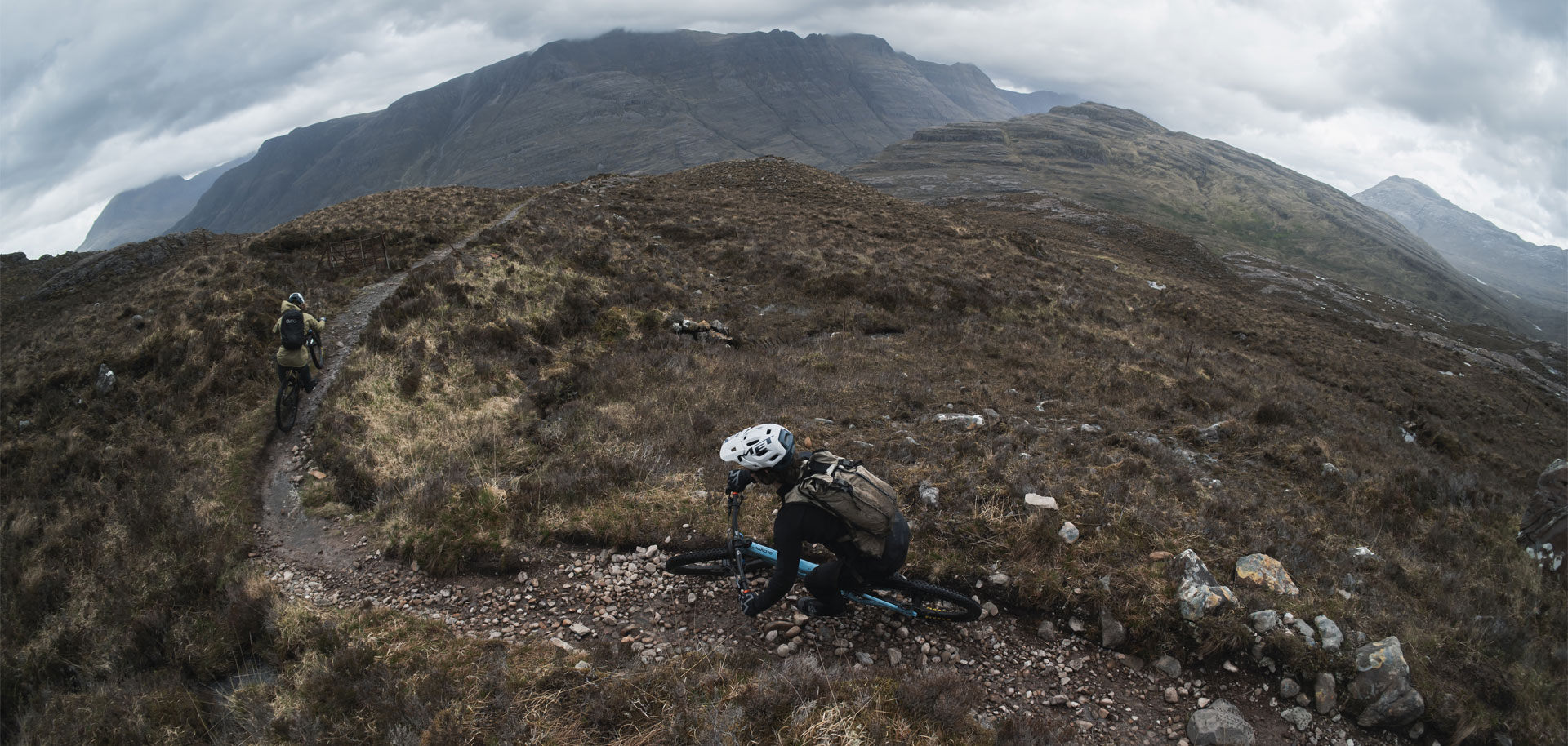
Torridon (Scotland) is a name synonymous with great riding with hospitality to match. Here, the mountains reach to over 1000m in height and loom over deep sea lochs that are just as deep. The Ice Age made its mark here long ago, and helped to create a landscape as rugged as it is beautiful.
Little known to those that walk and ride in these mountains is that mountain rescue in the United Kingdom would change forever here in the early hours of March 14th 1951.
The events of that day and what was learned from it, would shape how both people, whether military or civilian, would be extracted from the mountains when they could no longer do so under their own power.
A cursory glance at crash sites in the UK show a considerable quantity of wrecks. RAF Mountain Rescue would be the result of this, but in reality, it was merely a team that used equipment already available, and little or no specialist training. These men would be relied upon to use that equipment regardless of the time of year or the location of the crash.
That lack of specialist equipment or training would come into sharp focus before the sun had risen on March 14th 1951 when the four-engined heavy bomber would slam into the summit of Beinn Eighe above the now infamous Triple Buttress.
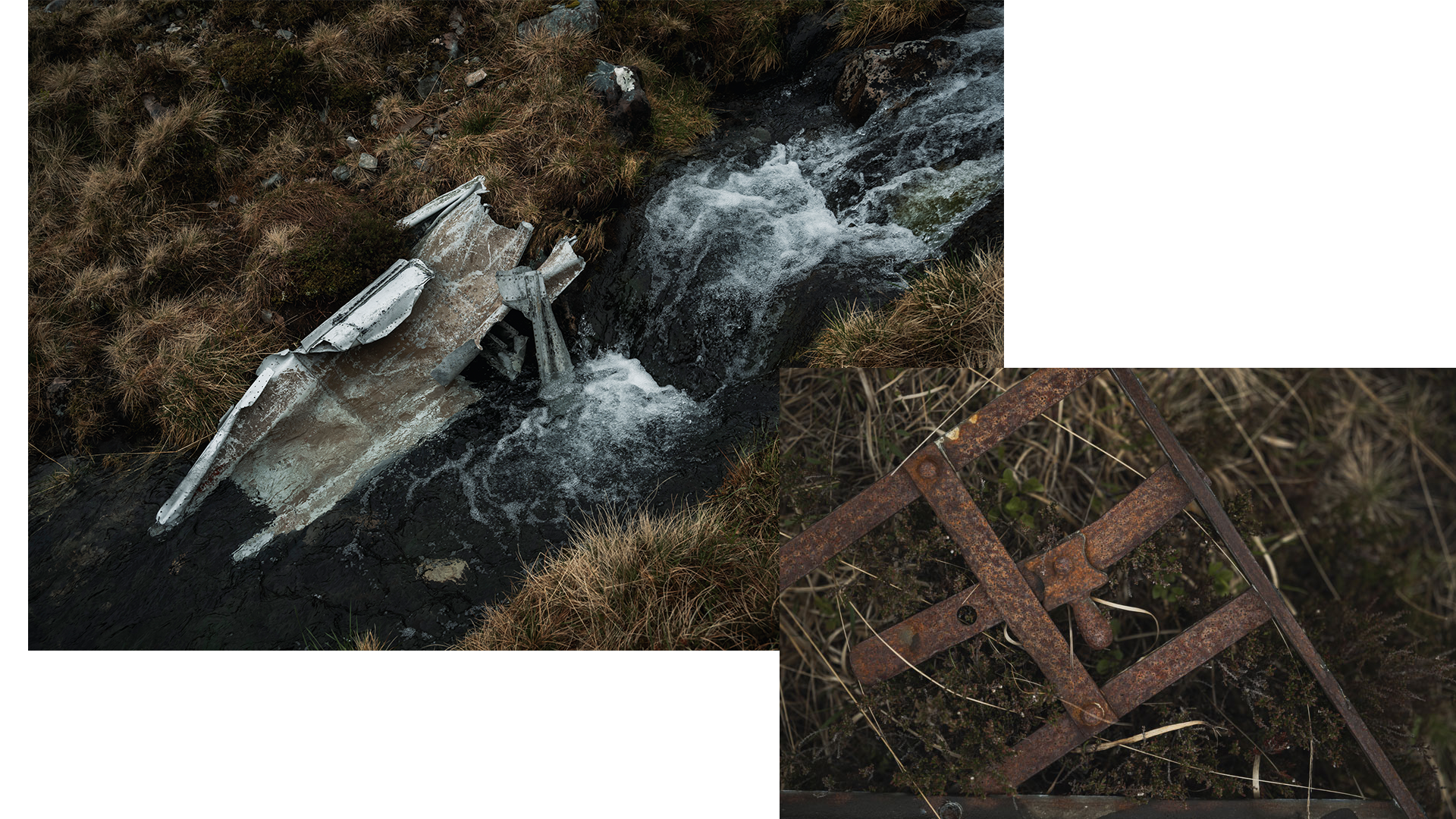
The low cloud and harsh winter conditions would hide the crash site for a full two weeks until rescue teams arrived.
This team would then spend the next five months working their way tirelessly back and forth from the crash site until all eight bodies had been recovered.
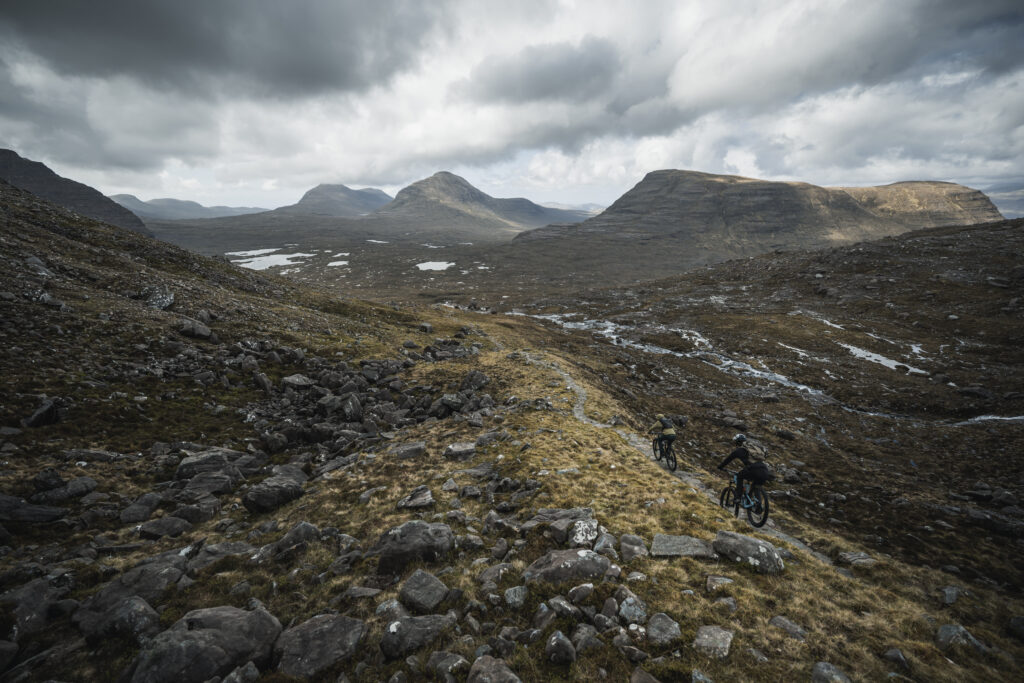
It was only in the aftermath of this tragedy that the lack of specialist training and equipment was brought into sharp focus.
All this is narrated by David “Heavy” Whalley who has been involved in the RAF Mountain Rescue team for 36 years. He is also the eyes and the voice of a place with a very important historical legacy.
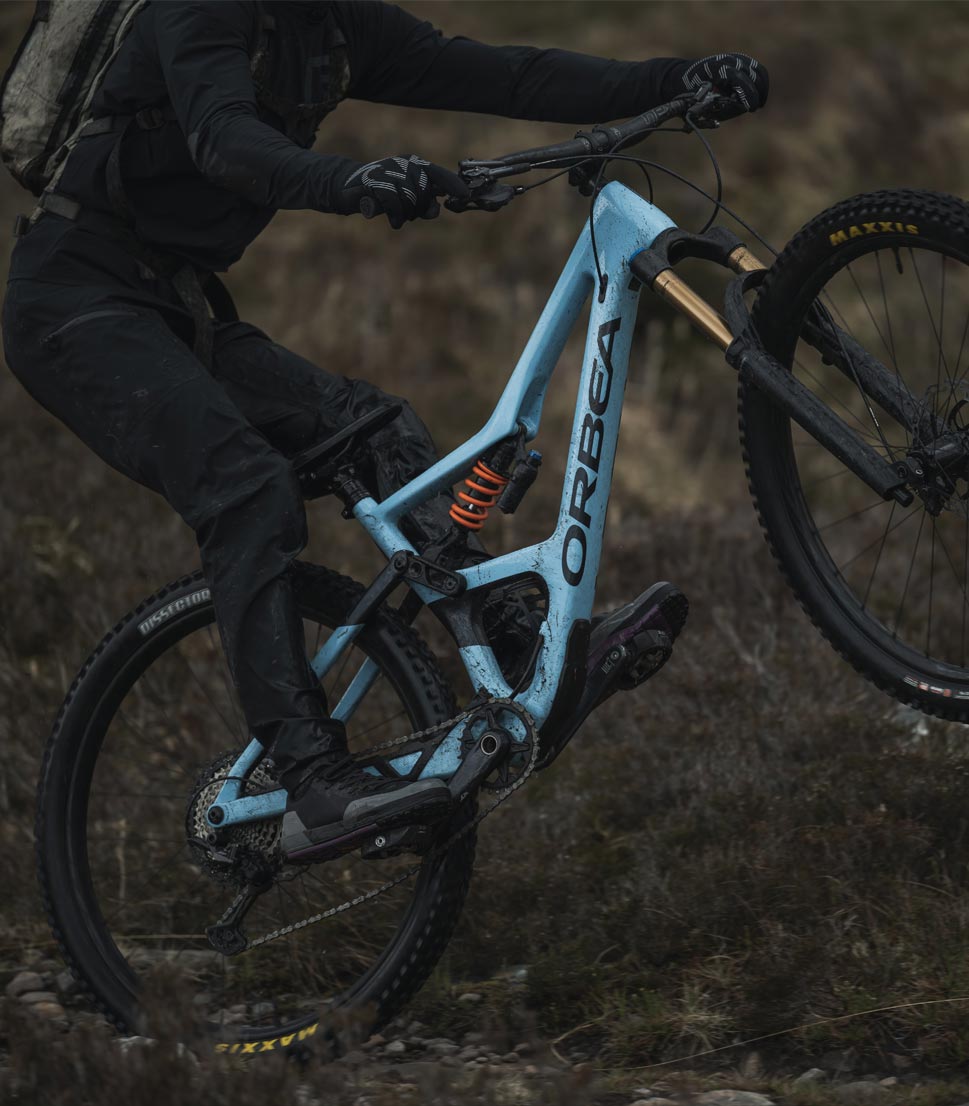
Occam Territory
Nowadays The Northwest Highlands of Scotland has some of the best, and most remote riding on offer anywhere in the World. People travel from all over the world to feel and ride a uniquely difficult technical trails. A playground for outdoor enthusiasts.