6 augustus, 2024
Le Mastrou
Every path holds a story, but only on rare occasions is the path itself the true story.
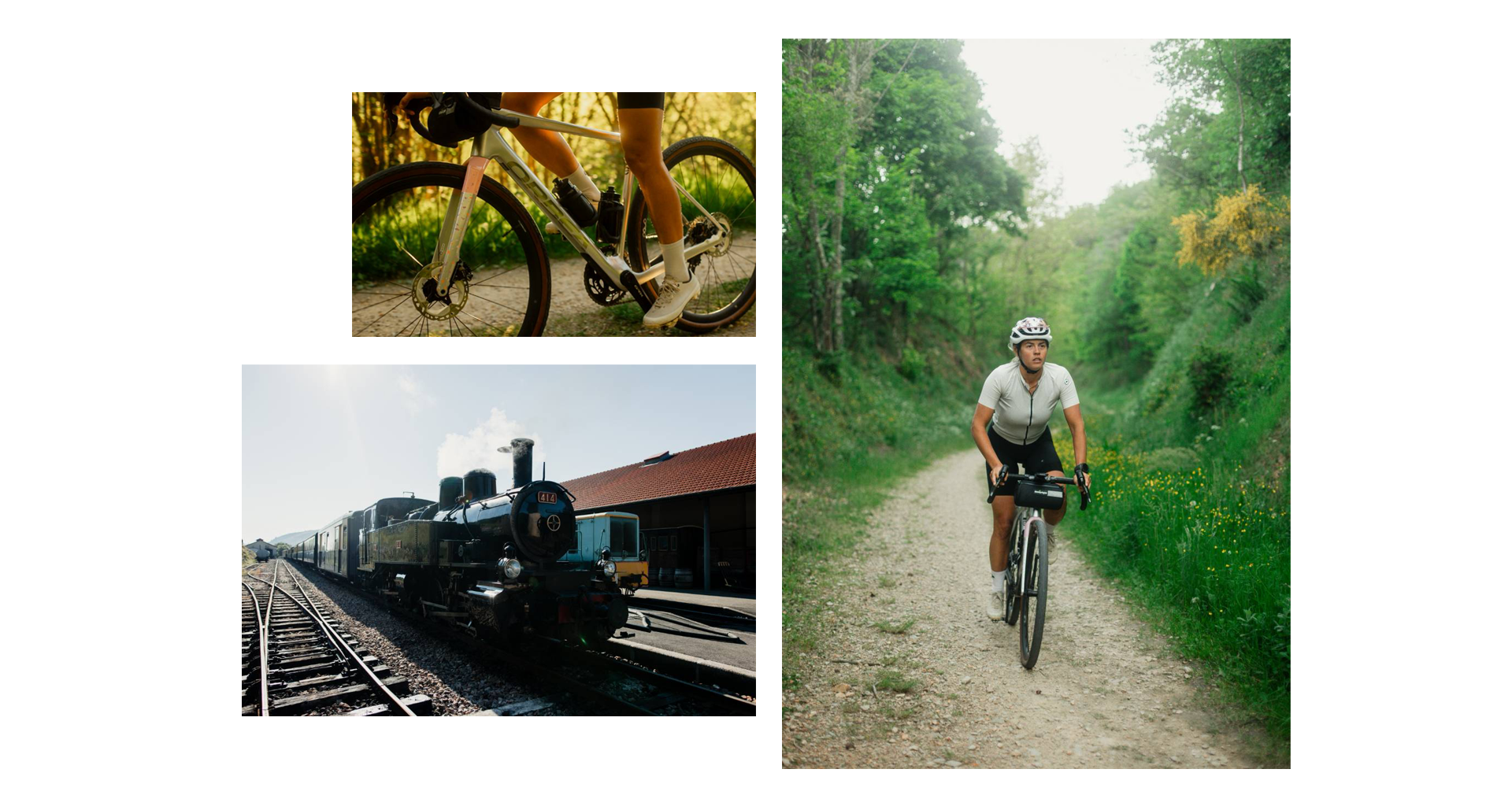
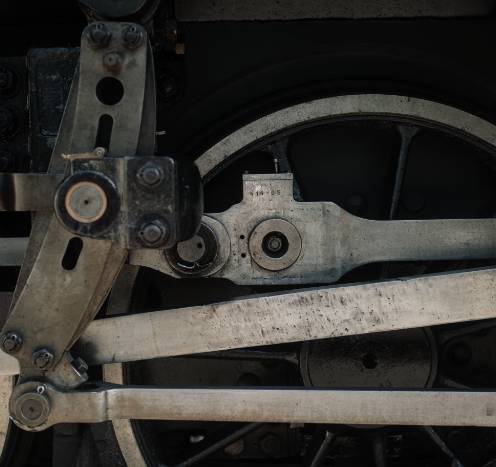
La Dolce Via is today one of the most important cycling routes in France, not only for its magnificent landscapes and favorable terrain, but also for its role in preserving one of the most significant parts of the nation’s heritage: Le Mastrou, the steam train of the L’Ardèche region.
At the end of the 19th century, an unprecedented operation promised to change the direction of the French transportation system forever.
The progress of an entire society depended on a network as complex as it was extensive, aimed at connecting every canton, every region, and every population through a single protagonist: the railway.
If revolution is part of France's imagination, the steam train is just one more example.
Beyond the countless economic and social benefits it brought, the railways carried not only passengers and goods but also a great hope for progress and a firm commitment to equality and freedom, embodying French ideals.
However, railways are not always straight; that would be too simple.
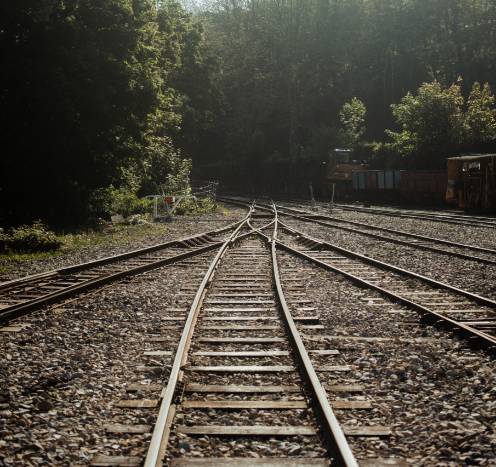
The train, as a recurring synonym for life, follows a closed path. An infinite loop in which the difficult situation caused by war and the imminent arrival of roads and automobiles in the 20th century led to the closure of much of the line, returning the iron paths to their original state. “Chemins de fer – Chemins de terre.”

Terra
Light and fast on the road, comfortable and adaptable on the trails… with its pure gravel-designed geometry, the Terra is the best buddy to experience Dolce Via!
There are always brilliant minds and open eyes capable of seeing opportunities where there appear to be only obstacles.
Cyclists saw the potential of the tracks left after the rails were removed, in an idyllic setting. Following them, the regional administration quickly understood their responsibility to support them, creating a protected cycling route project for non-motorized vehicles, in other words, a paradise for cycling enthusiasts.
Asphalt, fine gravel, dirt; La Dolce Via offers all types of terrain to test the great versatility of our Orbea Terra.
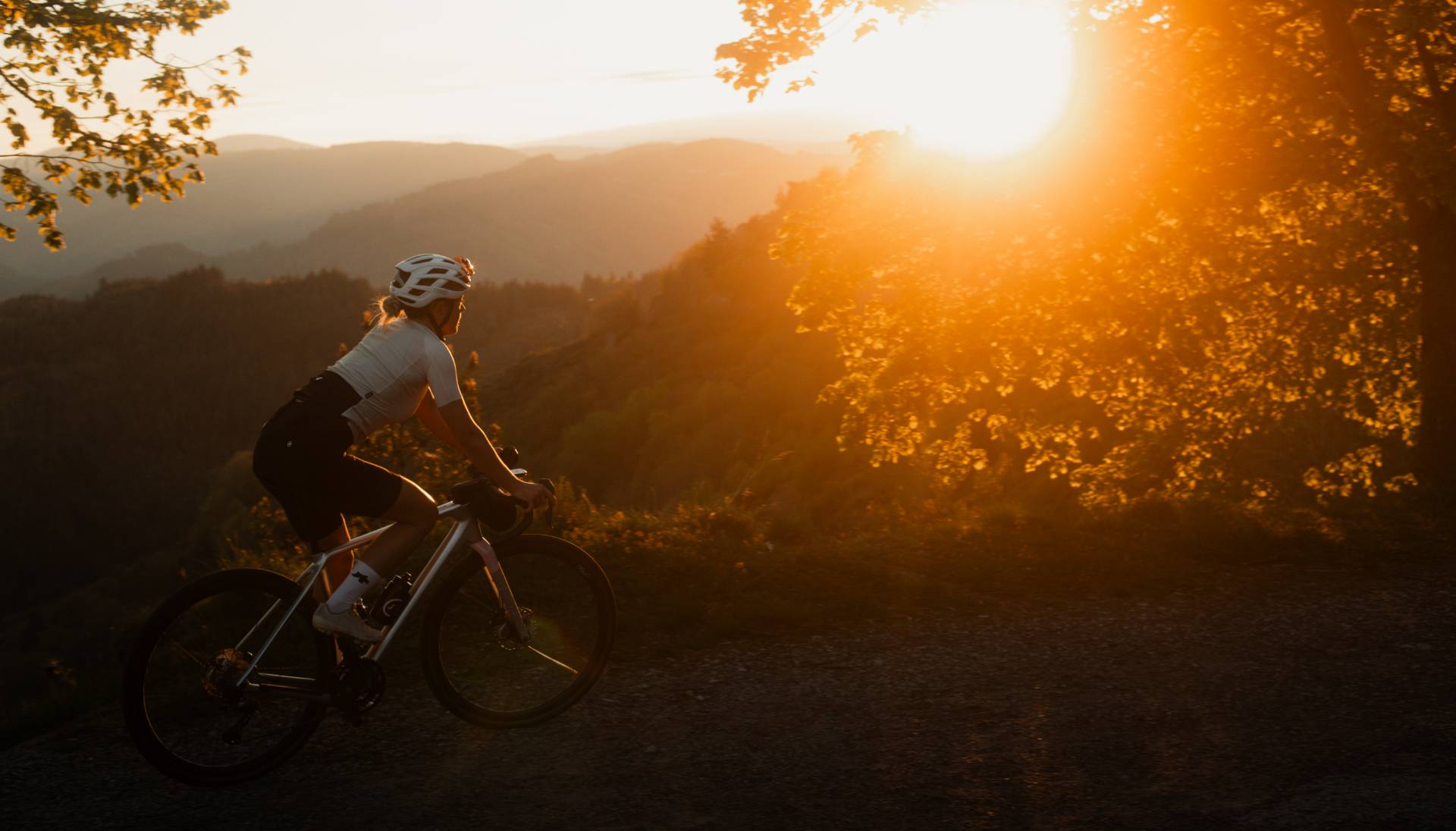
Following the banks of the Rhône River, a gentle negative slope, “Dolce,” allows for a relaxed journey filled with services to enhance the trip. However, the region’s great relief opens up a world of possibilities for those who want to explore further. You choose the route and the pace. Isn’t that what gravel riding is all about?
Some may see the train depart and stand idly by, but true enthusiasts knew that the train would not return if they didn’t keep those railways alive. Adapt or die; this is essentially the motto of Le Mastrou, one of the few surviving railway lines, which became a tourist train in 1969.
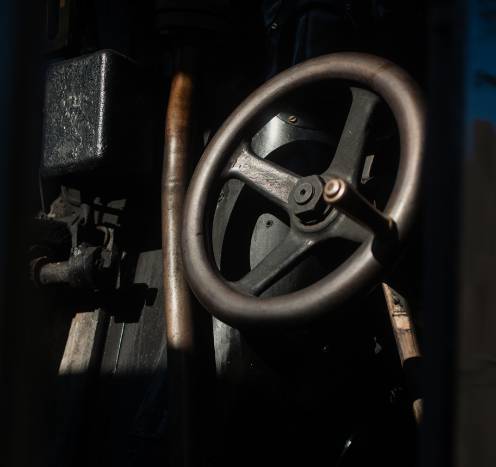
A magical train, increasingly unique, representing an incomparable heritage thanks to its steam locomotive and original carriages.
They soon understood that bicycles and trains had much in common: a slow enough pace to appreciate the landscape, a firm commitment to preserving natural environments, and above all, both are vehicles that, beyond allowing travel from one point to another, guarantee a natural enjoyment, far from large cities and in pure tranquility and connection with nature.
Their union was simply meant to be, becoming the first tourist train in France to welcome cyclists on board.
Enjoy the route
118 km 9h:16m 1240m+
Since its origins, the train was a link between the lower and upper parts of the mountain. And even today, 130 years later, it still serves that role, connecting cyclists with the Via Rhona and the Dolce Via.

TERRA M20i TEAM
This was the Terra that Virginia used on her journey through the Dolce Via. Now complemented with the new Shimano GRX Di2, it has everything you need for a great adventure!